













Updated 23 September 2026, 07:00 UTC
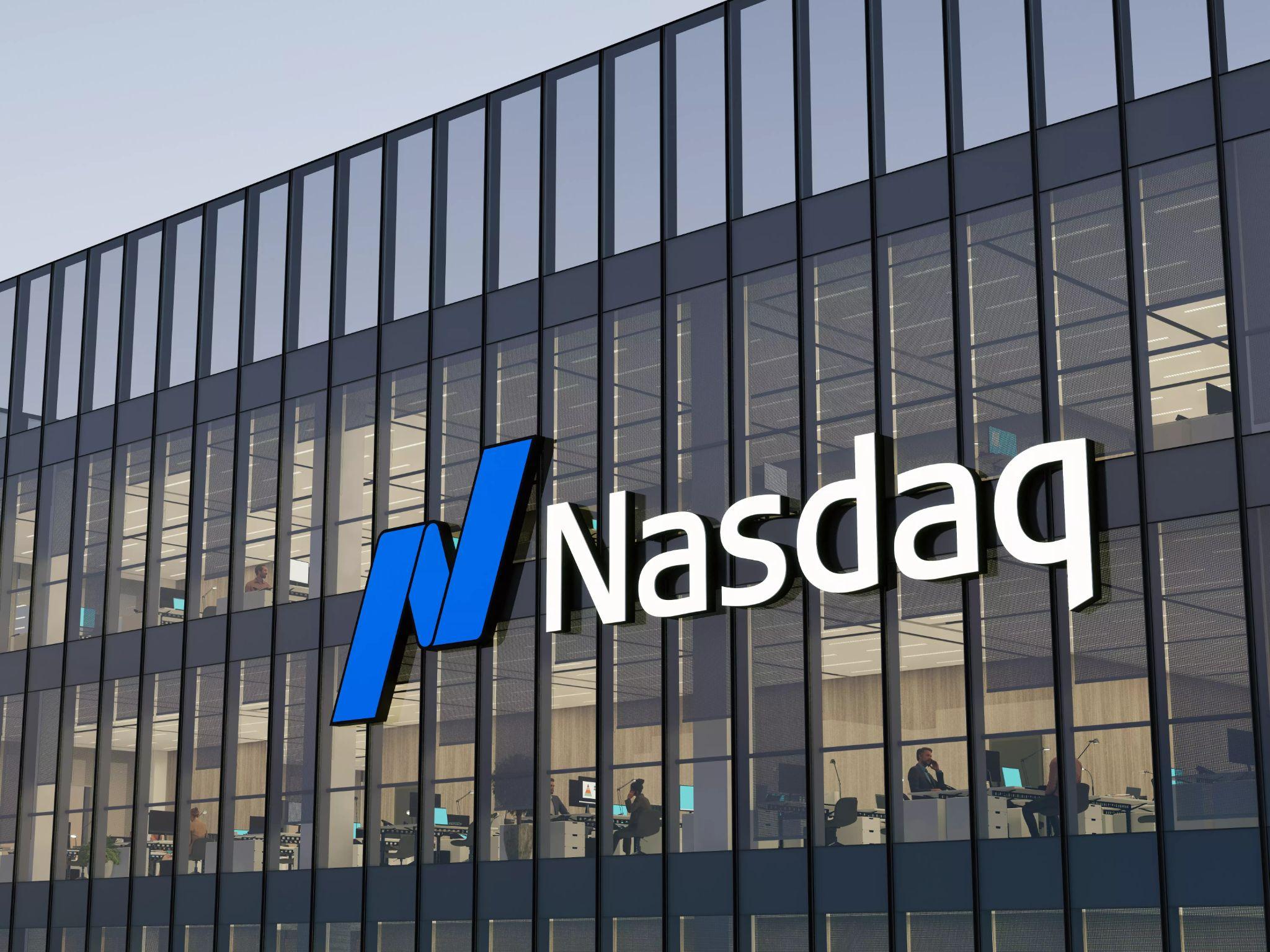
Nasdaq-100 (NDX): 30,732.40, up 250.04 points or 0.82% at the 22 September close (Nasdaq official index data). The quarterly rebalance took effect on Monday 21 September.
Verdict: The index just absorbed an estimated $15.5bn to $22bn of forced passive buying because SpaceX’s weight more than doubled. That is a mechanical bid, not a vote of confidence – and it landed in a week when the index’s internals are splitting in a way JPMorgan is comparing to 1999. The headline level is holding up better than what sits underneath it.
Key facts
- The rebalance is done and live. Effective Monday 21 September, SpaceX’s Nasdaq-100 weight rose to 2.82% from 1.28% – more than double – confirmed off the 19 September close (Bloomberg, 19 September).
- The buying was forced, not discretionary. Moving from 1.28% to 2.82% implies roughly $7.4bn of additional SpaceX exposure for the Invesco QQQ Trust alone, with market estimates putting total passive buying associated with the rebalance at about $15.5bn to $22bn.
- Why the weight was too low in the first place. SpaceX carries a market capitalisation above $2.07tn – sixth largest in the index by market value at Tuesday’s close (MarketScreener) – but its index weight had been held outside the top 20 by post-IPO lock-up float restrictions following its summer listing.
- The index is at a record-ish level with a split underneath. The Philadelphia Semiconductor Index has jumped 87% in 2026 and just logged its best-ever quarter, while Microsoft has fallen roughly 18% to 20% year to date and posted its worst monthly decline since 2000, per a JPMorgan note reported by Business Insider.
- The capex bill keeps growing. Meta, Microsoft, Amazon and Alphabet are on track for combined 2026 capital expenditure of about $725bn.
What actually happened on Monday
Index rebalances are usually a non-event for anyone who is not running an index fund. This one was different in size. When a constituent’s weight moves from 1.28% to 2.82%, every fund tracking the Nasdaq-100 has to buy SpaceX shares to match – regardless of what any portfolio manager thinks of the valuation. The trade is executed largely through the closing cross, and it is price-insensitive by construction.
The cause was technical rather than fundamental. SpaceX went public over the summer, and index weighting methodologies use free float – the shares actually available to trade – not total market capitalisation. Lock-up restrictions on insider and pre-IPO holdings kept SpaceX’s investable float artificially small, which is how a company worth more than $2tn ended up weighted outside the index’s top 20. As those restrictions rolled off, the methodology simply caught up with reality. We covered the mechanics of that unlock in our piece on the 2.82% weighting and the float unlock.
The offset matters as much as the addition. The Nasdaq-100 is a closed system: weights sum to 100%. Lifting SpaceX by roughly 1.54 percentage points means every other constituent is diluted pro rata. In absolute dollar terms the largest reductions fall on the largest holdings – Nvidia, Apple, Alphabet, Microsoft and Amazon – which means passive funds were net sellers of the mega-cap complex in the same cross where they were buying SpaceX.
The concentration question
At Tuesday’s close the index’s largest constituents by market value were Nvidia at about $5.53tn, Apple at $4.96tn, Alphabet at $4.27tn, Microsoft at $3.70tn and Amazon at $2.75tn, with SpaceX sixth at roughly $2.10tn (MarketScreener). Adding a $2tn company to the top of an index that was already top-heavy does not reduce concentration – it moves it around.
What it does change is the character of that concentration. SpaceX is not an AI infrastructure name and not a hyperscaler. For an index whose performance in 2026 has been driven overwhelmingly by the AI capex cycle, adding 1.54 points of weight in a launch and satellite business is a genuine, if modest, diversification of the drivers. Whether that is a good thing depends on what you think happens to the AI trade next.
The 1999 comparison sitting underneath the level
This is where the index-level calm gets harder to read. JPMorgan technical strategist Jason Hunter has flagged a widening divergence between AI chip and infrastructure suppliers and the hyperscalers spending hundreds of billions to buy their products. He compares it to 1999, when communications equipment makers surged while the companies making the heavy capital investments later crashed from peak valuations.
The numbers behind the comparison are stark. Semiconductors, as measured by the Philadelphia Semiconductor Index, are up 87% in 2026 and just posted their best quarter on record. On the other side, Microsoft is down roughly 18% to 20% on the year and logged its worst month since 2000, while Meta is off about 5% year to date.
The mechanism Hunter describes is a timing mismatch: chipmakers get paid on delivery, while the firms buying the chips have to convert them into profit later, and that conversion remains unproven. With roughly $725bn of combined 2026 capex across Meta, Microsoft, Amazon and Alphabet, the amount riding on that conversion is not small. Our coverage of Microsoft lagging the index again and of AMD’s run toward a $1tn valuation tracks both sides of that split.
For an index investor, the practical point is that a headline level near 30,700 is averaging together two markets moving in opposite directions. The rebalance bid arrives on top of that, and it flatters the tape for reasons that have nothing to do with earnings.
Scenarios into year-end
| Scenario | NDX level | Anchor | What has to happen |
|---|---|---|---|
| Bear | 29,000 -5.6% from spot |
JPMorgan’s Jason Hunter dot-com divergence scenario | The hyperscaler de-rating that has hit Microsoft and Meta spreads to the semiconductor side as capex guidance is questioned. Rebalance flows are spent and there is no mechanical bid left. |
| Base | 30,700 -0.1% from spot |
The 22 September close of 30,732.40, post-rebalance | The split persists: semis hold their gains, hyperscalers stay under pressure, and the index chops sideways as the two offset each other. |
| Bull | 33,000 +7.4% from spot |
The $725bn capex cycle converting into reported earnings | Q3 results show hyperscaler AI spending producing revenue, Microsoft and Meta re-rate, and the index stops running on semiconductors alone. |
Levels are FinanceFeeds scenario markers calculated from the 30,732.40 close, not published bank price targets. Percentages are rounded.
Quick Take
Two things happened to the Nasdaq-100 this week and only one of them is about fundamentals. The rebalance delivered a one-off, price-insensitive bid of $15.5bn to $22bn because SpaceX’s float caught up with its $2tn market cap – that flow is now largely spent and will not repeat. Underneath it, the index is running on semiconductors while its biggest software and platform names de-rate. Judge the next leg on whether hyperscaler earnings justify $725bn of capex, not on a level that a mechanical trade helped hold up.
What to watch next
- Q3 hyperscaler results – the first real test of whether AI capex is converting into revenue at Microsoft, Meta, Amazon and Alphabet.
- Further SpaceX lock-up expiries – additional float coming to market could lift the index weight again at a future rebalance, and adds supply to the stock in the meantime.
- Semiconductor momentum – after an 87% year and a record quarter, the SOX is where the index is most exposed if sentiment turns.
- The December rebalance – the next scheduled reweighting, and the next opportunity for a mechanical flow of this size.
Frequently asked questions
What is the Nasdaq 100 index level today?
The Nasdaq-100 closed at 30,732.40 on 22 September 2026, up 250.04 points or 0.82% on the day, according to Nasdaq’s official index data.
What changed in the September 2026 Nasdaq 100 rebalance?
The quarterly rebalance took effect on Monday 21 September and more than doubled SpaceX’s index weight to 2.82% from 1.28%, confirmed off the 19 September close (Bloomberg). Every other constituent was diluted pro rata to make room.
How much buying did the rebalance force?
Market estimates put total passive buying associated with the rebalance at roughly $15.5bn to $22bn. The Invesco QQQ Trust alone would need about $7.4bn of additional SpaceX exposure, assuming its asset base was unchanged.
Why was SpaceX’s index weight so low before?
Index weights are based on free float rather than total market capitalisation. Lock-up restrictions following SpaceX’s summer IPO kept its tradeable share count small, so despite a market cap above $2tn its weight sat outside the index’s top 20 until those restrictions rolled off.
Does the rebalance make the Nasdaq 100 less concentrated?
Not meaningfully. It adds a sixth $2tn-plus company to an already top-heavy index. What it does change is the mix of drivers, since SpaceX is neither an AI chipmaker nor a hyperscaler – the two groups that have set the index’s direction in 2026.
What is the 1999 comparison being made about the Nasdaq 100?
JPMorgan technical strategist Jason Hunter has drawn a parallel to 1999, when communications equipment suppliers rallied hard while the heavy capital spenders buying their products later collapsed. Today the equivalent split is semiconductors up 87% in 2026 against Microsoft down roughly 18% to 20% year to date.
Which stocks were sold to fund the SpaceX weight increase?
No single stock was singled out. Because index weights must total 100%, the increase was funded by a pro-rata reduction across the other constituents, so the largest absolute reductions fell on the biggest holdings – Nvidia, Apple, Alphabet, Microsoft and Amazon.
Disclaimer: This article is for informational purposes only and does not constitute investment advice, a recommendation, or an offer to buy or sell any security. Investing in equities and index products carries risk, including the possible loss of principal. Index levels and prices cited are as of the time of writing and will change. Always conduct your own research and consider consulting a licensed financial adviser before making investment decisions.