





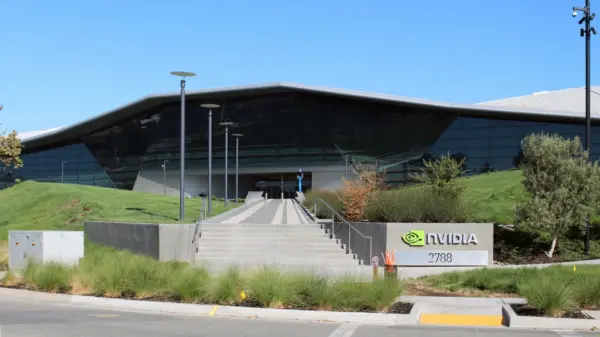






Few companies have ever been worth what Nvidia (NVDA) is worth today. The chipmaker’s market value crossed $5 trillion on April 24.
Only two national economies exceed that figure in annual output: the United States and China. Investors have treated the stock as the purest bet on artificial intelligence.
The enthusiasm reaches well past one company. Google Cloud revenue grew 82% in Alphabet’s second quarter. That is the best quarter on record for Google Cloud. Even so, Alphabet shares fell after hours as it raised its spending plans.
And the people who run these businesses have been doing something different with their own shares.
Also read: Palantir’s CEO just sent a message Silicon Valley won’t ignore
A $17.5 billion gap between Nvidia, Alphabet, and Palantir’s selling and buying
Over the past five years, insiders at Nvidia, Palantir Technologies (PLTR), and Alphabet (GOOGL) have sold about $17.5 billion more of their companies’ stock than they bought, according to The Motley Fool.
The figure is a net one, meaning sales minus purchases. Insiders here means senior executives, board members, and very large shareholders.
Nvidia accounts for the biggest share of that total. Net selling at the company came to close to $7 billion. Palantir is not far behind. Alphabet’s insiders sold the least of the three, though the amount still runs into the billions.
What stands out is how little went the other way. Nvidia insiders bought just $250,000 worth of stock over the whole five-year stretch. Purchases at Palantir and Alphabet were small next to the selling.
None of this is hidden. The figures come from Form 4 filings.
Those are the reports insiders must send to regulators within two business days of trading their own company’s shares, The Motley Fool reported. Anyone can look them up, even if few investors ever do.
Who has been cashing out
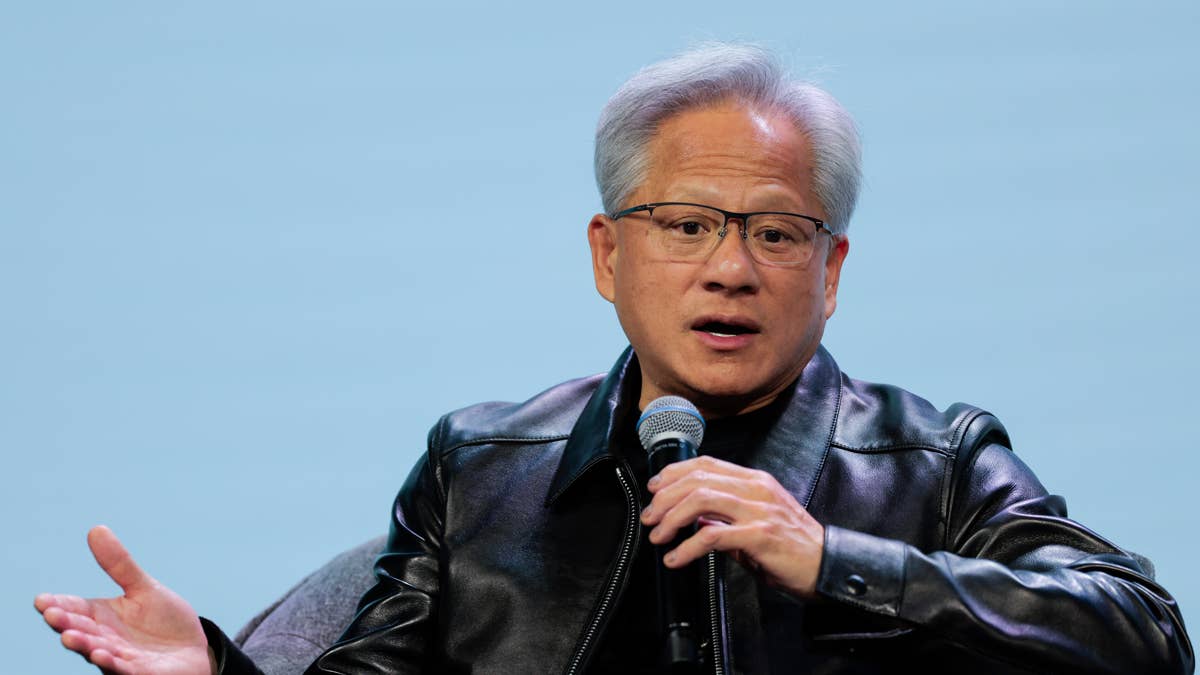
At Nvidia, the best-known seller is the boss. CEO Jensen Huang sold roughly $713 million in stock during 2024 through a prearranged trading plan. The shares set aside for it ran out about six months before the plan was due to expire, according to TheStreet. He kept the vast majority of his holdings.
Huang was not alone. By late June 2025, Nvidia insiders had sold more than $1 billion in stock over a year. Several board members were among the largest sellers, as reported by Fox Business. Huang had a new plan in place by then to sell more shares before the end of 2025.
Palantir tells a similar story. In November 2025, CEO Alex Karp sold shares worth roughly $96 million. Other senior executives filed to sell as well. The stock had more than doubled that year.
The pattern carried into 2026. Karp sold again in May under a preset trading plan. No Palantir executive had bought shares on the open market. Investor Michael Burry had also flagged a bearish chart pattern in the shares.
Why insider share sales are not always a warning about the company
Selling by itself proves little. Executives at these companies are paid largely in stock. They often have to sell part of each award to cover the tax bill that comes with it.
That kind of sale should not worry everyday investors. Diversifying wealth that sits in one stock is another ordinary reason.
Insiders also still own a great deal. Company insiders held about 4.2% of Nvidia as of spring 2026. Huang remains the largest individual shareholder by a wide margin. A founder who sells a sliver of a stake that size is hardly walking away.
More Wall Street:
- Wall Street’s AI trade faces its biggest valuation test
- The next Wall Street shift is already underway
- Wall Street sends strong 4-word verdict on the stock market
Some of the biggest sales were about moving money, not losing faith. SoftBank sold its entire Nvidia stake in October 2025. It put the proceeds into OpenAI, robotics, and data centers, all of which depend on Nvidia’s chips.
Bank of America analysts called the AI skepticism of the time healthy but overstated, according to TheStreet. The outlet’s own read was that investors can rotate out of the stock without leaving the AI story behind.
Others were more cautious. Peter Thiel’s fund sold all of its Nvidia shares in the same period. His view was that AI is real but that Nvidia’s price already reflected the good news.
SoftBank and Thiel are outside shareholders, not insiders. But their moves fed the same debate.
Palantir’s price tag is the real question
The harder thing to explain is the lack of buying.
Valuation may be the reason. Palantir trades at close to 80 times its sales. The Motley Fool argues that no price-to-sales ratio above 30 has held up over the long run.
Wall Street has had its own doubts. In May, HSBC downgraded Palantir to hold, citing competition and pricing pressure. The shares were down about 20% for the year at that point.
Bank of America kept its buy rating, and the average Wall Street price target sat well above the share price. That shows how split analysts are.
The business itself is not the problem. Palantir’s second-quarter revenue grew 93% from a year earlier. U.S. commercial revenue more than doubled, and the company raised its full-year forecast.
Investors now have to decide whether growth that fast justifies a price that the company’s own insiders have shown little interest in paying.
Related: Michael Burry pulls an old playbook into the Nvidia fight