





















SpaceX completed Starship’s first orbital mission and deployed 26 operational Starlink V3 satellites. The company’s mission record places Starship closer to regular service, but two premature engine shutdowns and an abbreviated flight show that the system has not reached routine reliability.
For investors, reaching orbit removed one technical uncertainty from the SpaceX valuation debate. It did not settle questions about launch cadence, reusability, costs or the speed at which Starlink V3 can add network capacity.
Flight 14 Reached Orbit After an Engine Problem
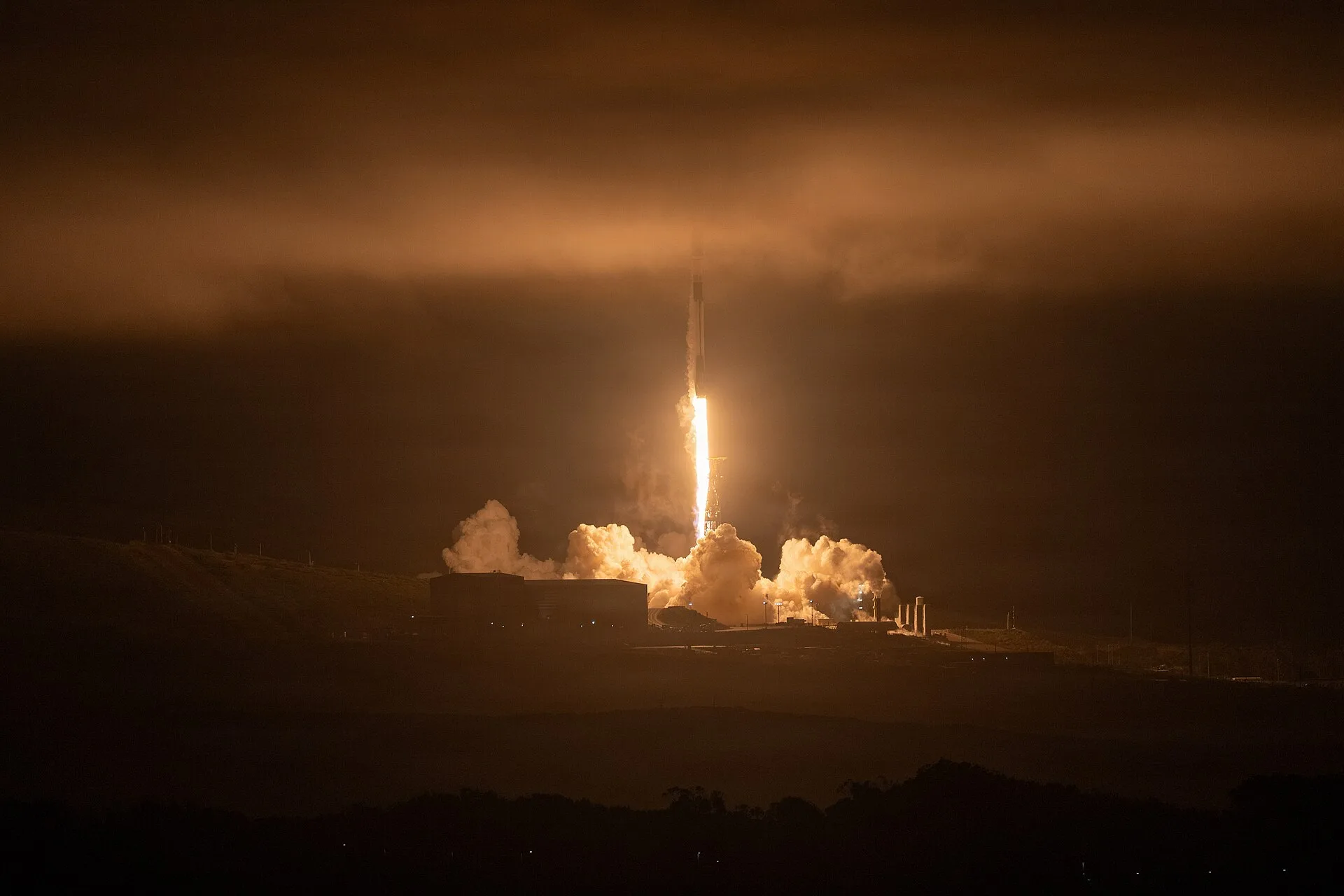
Starship lifted off from Starbase at 7:48 a.m. Central time. Super Heavy separated from the ship and returned for a controlled splashdown, although one booster Raptor shut down early. The upper stage also lost one of its six engines during ascent, forcing controllers to reconsider the original mission profile.
SpaceX initially indicated that the ship would not commit to orbit. Engineers then determined that the remaining engines could complete the insertion burn. Starship reached orbit and released all 26 satellites at an altitude of roughly 269 kilometres. Elon Musk subsequently said all 26 spacecraft had deployed and were operating nominally.
The planned ten-hour mission was shortened to three hours. Starship completed a controlled re-entry and splashed down in the northern Pacific rather than continuing for six orbits. The result combined an operational success with a propulsion problem that SpaceX must explain before increasing flight frequency.
Starlink V3 Is the Financial Link
The payload makes Flight 14 more important than an engineering demonstration. SpaceX says each V3 satellite can process about ten times as much data as a V2 Mini. Starship is intended to carry roughly 60 V3 satellites per launch, more than double the first operational batch.
That capacity is central to the investment case because Starlink is SpaceX’s established commercial engine. More throughput can support additional users and heavier enterprise demand without requiring equivalent growth in ground infrastructure. Flight 14 proved that Starship can place the larger satellites into their target orbit, but one batch does not establish the deployment rhythm assumed in bullish models.
The economic test now shifts from capability to repetition. SpaceX must show that it can launch V3 satellites frequently, recover expensive hardware and reduce marginal launch costs. Those requirements matter after second-quarter spending placed the company’s cash requirements under scrutiny.
SpaceX Stock Closed at $149.24
SpaceX shares closed at $149.24 in the next session, up 2.59% from the previous close of $145.47, according to Nasdaq historical data. The shares traded between $145.47 and $150.06, indicating that the market rewarded the orbital milestone without treating it as a complete removal of Starship risk.
The gain followed a 2% decline during the launch session. That two-day pattern suggests investors separated mission execution from its longer-term earnings value. SpaceX still trades below levels reached after its listing, while scheduled share releases remain part of the supply equation. FinanceFeeds calculated that future unlocks outweigh the passive demand generated by its increased Nasdaq-100 weight.
Flight 14 strengthens the operational side of the bull case outlined in FinanceFeeds’ earlier valuation range. It does not resolve the bear case, which includes high capital spending, execution risk and additional tradable supply. The stock’s measured response is consistent with that balance.
The FAA Has Not Published a Flight 14 Decision
The engine shutdowns will receive attention before the next flight. The Federal Aviation Administration’s public statements page did not show a Flight 14 mishap determination at the time of writing. That absence should not be interpreted as confirmation that no investigation will occur.
SpaceX will examine both propulsion events and determine whether hardware, software or operating limits require changes. Previous Starship anomalies produced FAA-supervised reviews, although the regulator’s response depends on public-safety consequences and the approved test profile.
Flight 15 Must Prove Repeatability
The next test is unlikely to be judged simply on reaching orbit. Investors will watch whether SpaceX resolves the engine issues, extends orbital duration and advances recovery plans. A larger or faster V3 deployment would provide clearer evidence that Starship can change Starlink’s capacity economics.
Flight 14 removed the threshold question of whether Starship could reach orbit with an operational payload. The remaining questions concern frequency, reliability and cost. Those variables will determine whether the mission becomes a durable revenue inflection or one successful flight inside a capital-intensive development program. They also explain why SpaceX shares rose, but did not reprice as though Starship were finished.