



















Microsoft closed at $501.61 on Monday, up 1.59% from $493.78, but its gain was modest beside a 2.83% rise in the Nasdaq-100 to 30,482.35. The session rewarded companies selling the processors behind agentic AI, while one of the world’s largest buyers of those processors again lagged the trade it is funding.
Arm rose 17.16%, Intel added about 12% and AMD gained almost 10% as Meta’s Muse agent renewed expectations for CPU demand. Microsoft participated in the broader technology rally but did not receive the same revaluation, even though its own results show that Azure demand continues to exceed available capacity.
Microsoft Gained $7.83 but Trailed the Index
Microsoft added $7.83 on Monday and traded as high as $501.87. That would be an ordinary strong session, but the comparison changed the interpretation. The Nasdaq composite rose 2.26% to a record, the Nasdaq-100 gained 2.83% and a semiconductor rally carried several AI infrastructure companies higher by high single or double digits.
Microsoft is up about 4% in 2026, while the S&P 500 has gained 13.4%, leaving a gap of roughly nine percentage points. The divergence has persisted despite five consecutive quarterly earnings-per-share beats, according to 24/7 Wall St.
The stock’s uneven year has included both sides of the AI spending debate. It fell when investors treated infrastructure costs as a threat to margins, then jumped more than 15% after July results showed faster Azure growth and capacity being monetised quickly. FinanceFeeds examined that reversal in Microsoft’s $175 billion capex response.
Azure Grew 43%, but the Bill Arrived First
Microsoft reported fiscal fourth-quarter revenue of $90.0 billion, up 18%, and diluted earnings per share of $4.81, up 32%. Azure and other cloud-services revenue grew 43%, while annual Azure revenue passed $100 billion for the first time.
The commercial backlog also expanded. Remaining performance obligations reached $678 billion, up 84%, although large OpenAI contracts increased that growth rate. Microsoft said customer demand for Azure continued to exceed available capacity and guided to approximately 45% constant-currency Azure growth for the September quarter.
The bear case sits in the cash required to deliver that growth. Capital expenditure reached $41 billion in the June quarter, with about two-thirds allocated to shorter-lived assets, primarily CPUs and GPUs. Microsoft expects calendar 2026 capex of approximately $175 billion after an accounting change shifted some future data-centre leases from finance leases to operating leases.
The company did not provide an official fiscal first-quarter capex figure above $50 billion in its published transcript. The supportable guidance is that fiscal 2027 capex will grow year over year while operating margins decline by less than one percentage point.
Why Chipmakers Won Monday’s AI Trade
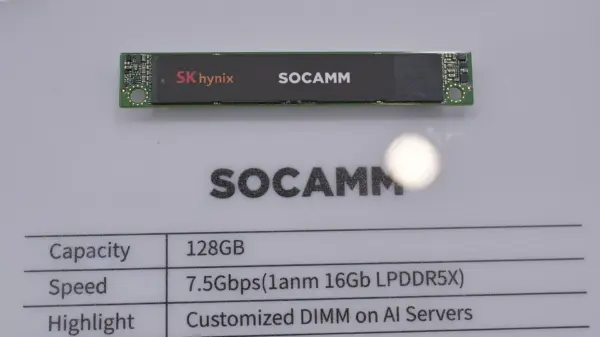
Chipmakers receive revenue when Microsoft, Meta and other hyperscalers install capacity. Microsoft receives the return later, through Azure consumption, Copilot subscriptions and enterprise software usage. That timing difference makes processors a more immediate way to trade new infrastructure demand.
Microsoft also has to prove that capacity growth does not consume the cash created by its cloud business. Fiscal 2026 operating cash flow increased to about $182.9 billion, but cash capital expenditure rose to roughly $116.0 billion and free cash flow declined. FinanceFeeds explored this tension in The $190 Billion Question and a separate Microsoft bull-and-bear valuation.
The company is not absent from the CPU story. Satya Nadella told analysts that CPUs are as important as GPUs when running agents. Microsoft’s Arm-based Cobalt processors support internal workloads and external customers, while its data centres also deploy hardware from Nvidia and AMD.
Analysts Still See Upside From $501
Wall Street remains constructive. StockAnalysis reports a strong-buy consensus from 55 analysts and an average target of $572.92, implying about 14% upside from Monday’s close. Jefferies maintained a buy rating and $575 target on Monday.
Those targets assume Azure converts backlog into revenue, Copilot adds consumption and Microsoft defends cloud margins while depreciation and energy costs rise.
A recent FinanceFeeds report also examined Microsoft call-option trades disclosed by Representative Josh Gottheimer.
The Next Catalyst Is the September-Quarter Report
Microsoft has not yet announced the date of its next earnings release. When it reports, the market will focus on the company’s approximately 45% Azure growth guide, the pace of capital spending, cloud gross margins and whether usage-based Copilot products are producing revenue beyond seat growth.
Monday’s underperformance does not show that Microsoft’s AI investment is failing. It shows that the market currently pays a higher multiple for immediate hardware scarcity than for the company financing and reselling that compute. Azure’s next quarter must narrow that timing gap.