





















Traditional financial strategies have long relied on prices, filings, market data, and customer records. As more financial activity moves onto blockchains, another source of information is becoming useful.
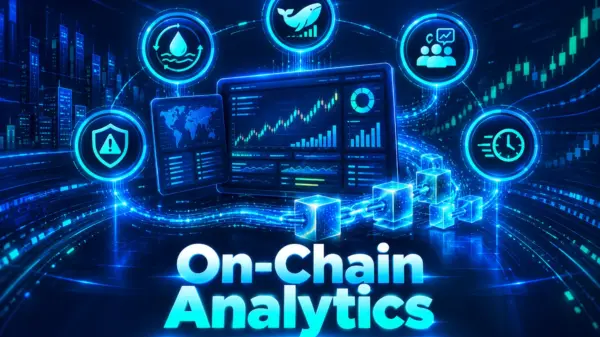
On-chain analytics can show how assets move between wallets, where funds are concentrated, and how participants interact with blockchain networks. This data can add context that may not appear in traditional systems.
It can support risk reviews, compliance work, market research, and monitoring of tokenized assets. This article explains five ways institutions can use on-chain analytics and what readers stand to gain from applying these insights effectively.
Key Takeaways
- On-chain data can add transaction-level visibility to traditional financial analysis.
- Wallet and asset flows can provide useful signals for digital-asset risk assessment.
- Blockchain activity can strengthen existing transaction monitoring and compliance processes.
- On-chain behavior can complement price, volume, and other market indicators.
- Address attribution should be verified before it informs important decisions.
- Cross-chain coverage matters when assets and funds move between networks.
What Is On-Chain Analytics in TradFi?
This concept is the process of examining data recorded on a blockchain to identify useful patterns and relationships.
On-chain analytics can include transaction flows, wallet activity, asset balances, and interactions with blockchain-based services. For TradFi institutions, the information can complement existing financial and customer data rather than replace it.
Blockchain records can provide a visible trail of transactions and asset movements on supported public networks.
Traditional financial data often comes through banks, brokers, exchanges, filings, and other intermediaries. Combining both sources can give institutions a broader view of activity.
On-chain analytics can help identify fund movements, wallet relationships, asset concentrations, transaction patterns, and exposure to known entities or risks. The usefulness depends on data quality and the ability to correctly link blockchain addresses to relevant entities.
Banks, asset managers, custodians, and other financial firms are increasingly dealing with digital assets and tokenized products. As this activity grows, institutions need ways to monitor transactions and exposure across blockchain networks while connecting those findings to existing financial controls.
Why On-Chain Analytics Matters for TradFi Strategies
Here is why it is important:
1. Faster Access to Market Activity
Blockchain transactions are recorded as activity occurs, giving analysts access to current information on supported networks. This can help teams monitor changes in flows, balances, and participation without waiting for periodic reports or statements.
2. Greater Visibility Into Digital-Asset Exposure
Institutions can use transaction and wallet data to understand where digital assets are held and how they move across networks and services. This can add detail to exposure assessments, especially when the activity involves multiple wallets or counterparties.
3. Stronger Risk and Compliance Monitoring
Blockchain intelligence can extend existing controls into digital-asset activity. Teams can investigate transaction patterns, screen relevant addresses, and trace funds when needed. These signals can then feed into established case management and compliance processes.
4. Better Understanding of On-Chain Markets
Blockchain activity can provide additional context for market research. Changes in token flows, holder behavior, or activity around specific assets may reveal developments that are not obvious from price data alone. These signals should be assessed alongside traditional market indicators.
5 Ways On-Chain Analytics Can Improve Your TradFi Strategy
Here is how it can enhance your strategy:
1. Improve Digital-Asset Risk Monitoring
Track wallet balances, asset movements, concentration, and exposure across relevant networks. Changes in these areas can give risk teams additional signals when reviewing digital-asset positions or counterparties.
This information can complement existing exposure reports and help teams investigate significant changes more quickly.
2. Strengthen AML and Transaction Monitoring
Blockchain records allow teams to trace transaction flows and investigate links between addresses, services, and known entities.
This can strengthen existing financial crime controls by adding blockchain evidence to customer and transaction reviews. It works best when combined with established AML processes rather than used alone.
3. Track Market and Investor Behavior
Monitor movements in token balances, transaction activity, and participation across relevant networks. These signals can help analysts understand how market participants are using an asset or ecosystem.
When combined with price, volume, liquidity, and other financial data, they can provide another layer of market research.
4. Improve Due Diligence and Counterparty Analysis
Examine how a wallet interacts with exchanges, protocols, issuers, bridges, and other addresses before making a risk assessment. This can add transaction-level evidence to conventional due diligence.
However, address attribution is not always certain, so findings should be verified against reliable off-chain information.
5. Monitor Tokenized Assets and On-Chain Financial Activity
As securities, funds, and other financial assets are represented on blockchains, transaction records can provide visibility into transfers, holders, and activity around those instruments.
Analytics can support monitoring alongside the legal, operational, and compliance controls already required for the underlying financial products.
What TradFi Institutions Should Check Before Using On-Chain Analytics
Before adoption, institutions should check whether the analytics system fits their data, workflow, and control requirements.
1. Data Coverage and Quality
Confirm that the provider covers relevant networks, assets, transaction types, and historical data with reliable and consistent information.
2. Entity Attribution Methods
Check how wallet addresses are linked to known entities and how uncertain or incorrect matches are identified and handled.
3. Cross-Chain Visibility
Ensure the system can track relevant activity across multiple blockchains, especially when assets move between different networks.
4. Integration With Existing Systems
Check whether analytics can connect with existing risk, compliance, investigation, and reporting systems without creating unnecessary manual work.
5. Data Governance and Auditability
Review how data is sourced, updated, stored, and documented so teams can explain important decisions when required.
Conclusion: Making On-Chain Data Useful
TradFi institutions should start with a clear business need rather than collecting blockchain data without a purpose. Identify the decisions that could benefit from on-chain signals, then select data sources that provide the required network and asset coverage.
Combine those findings with trusted off-chain information before acting on them. Institutions should also test alert quality and attribution accuracy, then connect useful signals to existing risk and compliance workflows.
As digital-asset activity expands, review the data coverage and monitoring rules regularly to keep the strategy relevant and effective.