












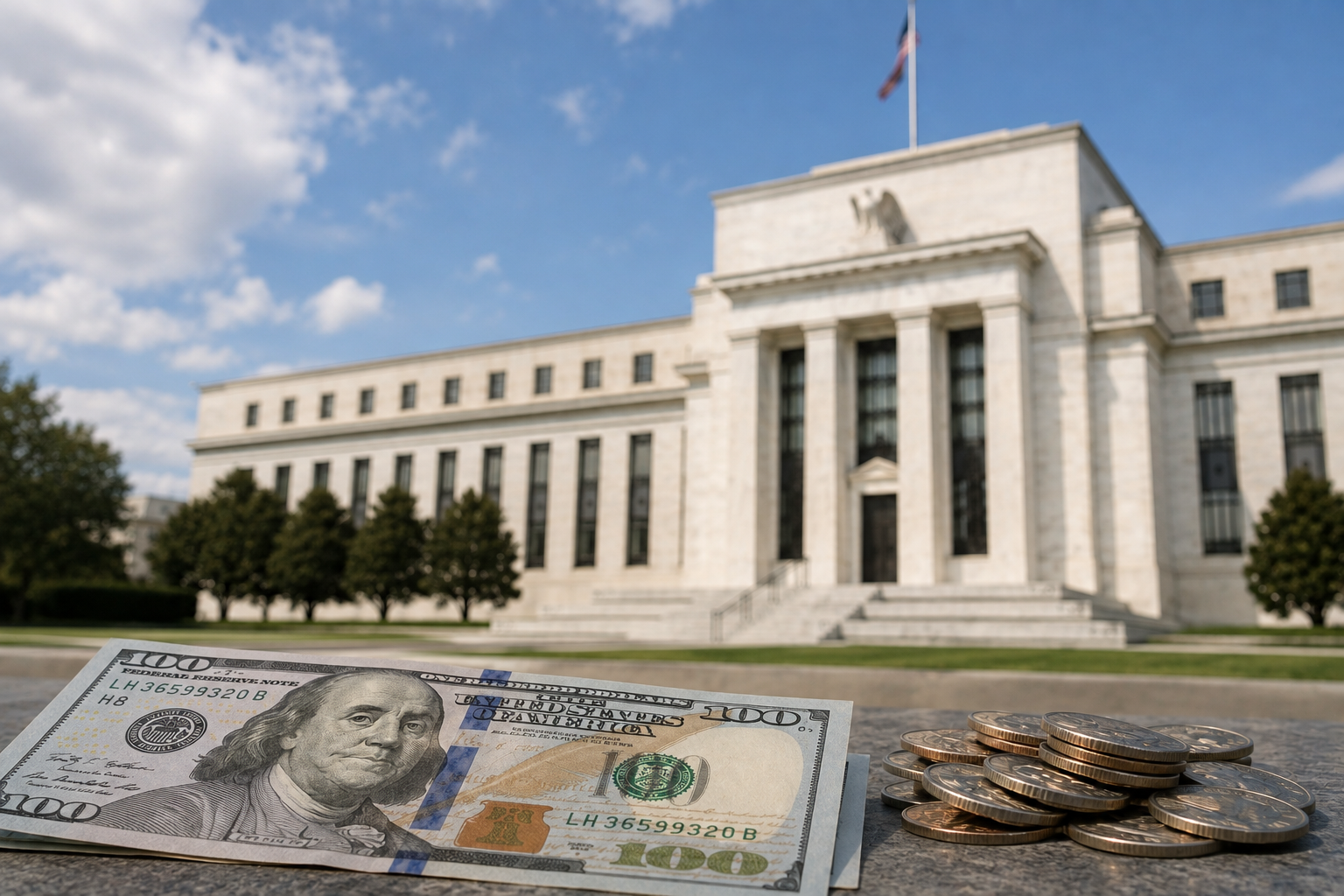
Gold and Bitcoin (BTC) have rallied as investors increasingly embrace the so-called debasement trade, while the US dollar has weakened.
The timing has drawn attention to the US Treasury’s decision to increase its long-term debt buybacks.
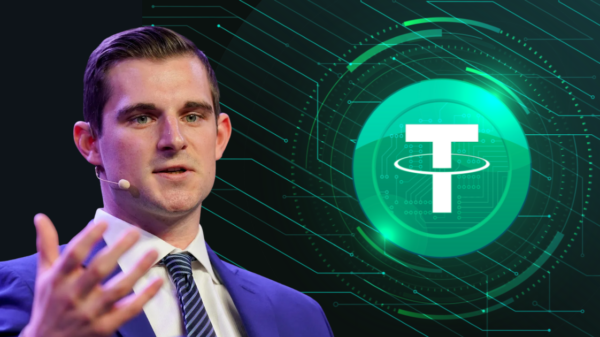
But according to Alexander Lis, chief investment officer at SDV, investors risk confusing two very different things: a Treasury operation that changes the composition of government debt and genuine monetary easing by the Federal Reserve.
Speaking on the latest episode of Zero Sum, Lis explained why the Treasury’s debt buybacks are not quantitative easing (QE), why they can still influence financial markets, and what investors should watch next as the Federal Reserve and Treasury navigate rates, inflation and the dollar.
The Treasury buyback is not QE
The term “debasement” has become increasingly popular among investors who believe governments have an incentive to reduce the real burden of their debt by allowing the currency to lose value.
“The debasement narrative is so popular nowadays because there is a notion that it is beneficial for the US government to debase the huge debt that they have.”
Lis argued that the underlying concept is broader than any single Treasury announcement.
When the amount of money in the financial system grows faster than nominal GDP, some assets can rise in value as they reflect that expansion.
But he rejected the idea that the Treasury’s latest buyback should automatically be treated as QE.
The key issue is how the operation is funded. According to Lis, the Treasury can finance the buybacks by issuing shorter-term bills while buying longer-term securities.
In that case, the government is effectively changing the maturity profile of its debt rather than creating new money.
That makes the operation fundamentally different from a Federal Reserve asset-purchase program.
A change in Treasury debt composition can still push investors toward risk
The fact that a Treasury buyback is not QE does not mean it has no market consequences.
Lis argued that shifting away from longer-duration securities can reduce volatility in the fixed-income market.
That matters because government bonds are widely used as collateral across financial markets.
A reduction in volatility could increase the amount of usable collateral and make it easier for capital to move through the financial system.
Lis argues that this can create a broader risk-on effect without requiring the central bank to print money.
“Risk assets would go up, dollar would go down, inflation [is] already on higher levels.”
That helps explain why markets can react positively to an operation that does not itself inject fresh liquidity.
Bitcoin and gold may be responding to positioning as much as fundamentals
The recent rally in Bitcoin and gold is therefore not necessarily proof that markets have correctly identified a new era of monetary debasement.
Lis pointed out that both assets had been trading from relatively depressed levels, with investor positioning already weak.
“So probably there were a lot of shorts.”
An unexpected move can force those positions to unwind, amplifying a rally that might initially have little to do with long-term fundamentals.
That is particularly important for crypto, which Lis sees as a higher-beta expression of the debasement trade.
In other words, if the debasement thesis strengthens, Bitcoin could outperform gold.
“Crypto just has higher beta to debasement than gold does.”
But the reverse is also true: if the narrative fades, crypto could suffer substantially more.
The next major test may be the Federal Reserve, not the Treasury
Lis does not expect the start of the Treasury buybacks to be the next major market-moving event.
The announcement itself has already given investors time to price the move in.
Instead, he is watching the next Treasury Quarterly Refunding Announcement and, more immediately, the Federal Reserve’s September meeting.
The August inflation report could prove particularly important.
“If we have a super hot print, we are definitely going to get a hike, in my opinion.”
His base case, however, is more moderate. With July inflation data relatively soft, Lis expects August readings to be broadly neutral.
Under that scenario, he does not expect the Fed to raise rates. That puts monetary policy back at the centre of the debasement debate.
Investors should watch the dollar as closely as they watch gold and Bitcoin
One of Lis’s central arguments is that policymakers cannot simultaneously control short-term rates, long-term yields and the dollar without trade-offs.
Attempts to suppress long-term yields could therefore produce consequences elsewhere in the system.
Lis does not believe the United States is destined to follow Japan’s path of successfully suppressing long-term yields for an extended period.
“I do not buy the idea of the US as the next Japan.”
For investors, that leaves a more complicated picture than the simple “money printing” narrative suggests.
Gold and Bitcoin may benefit from expectations of currency weakness, but a sustained debasement trade would also have implications for equities, bonds, inflation and the dollar.
Lis’s own market positioning reflects that nuance.
He is bullish on relatively defensive, “boring” stocks such as Netflix, bearish on gold because he does not currently buy the debasement thesis, and views the long-duration Treasury ETF TLT as his wildcard.
The broader message is that investors should look past the headline and focus on the structure underneath it.
A Treasury buyback may not be QE, but changes in duration, volatility, collateral, and expectations for Federal Reserve policy can still reshape the risk landscape.
Watch the full episode of Zero Sum for the complete discussion with Alexander Lis on debasement, Treasury debt, crypto, gold, and the outlook for US monetary policy.
The post SDV's Alexander Lis on why the Debasement trade is more complicated than it looks appeared first on Invezz