




















Paying for healthcare in America is complicated enough without having to figure out why the same prescription can cost more from one refill to the next. Naturally, for Americans, it’s all about how much they pay.
That’s exactly why CVS Health’s (CVS) breakup deserves a closer look. The healthcare giant says it’s planning to split into two companies by 2028, simplifying a sprawling business and helping improve affordability.
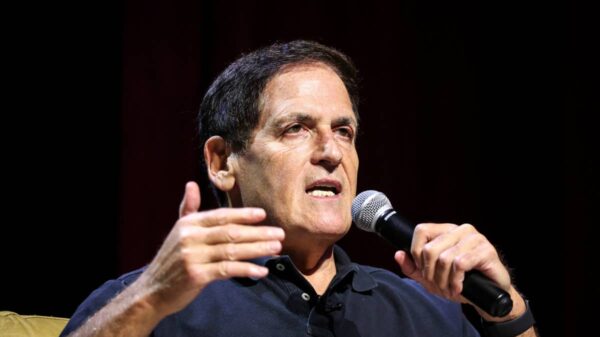
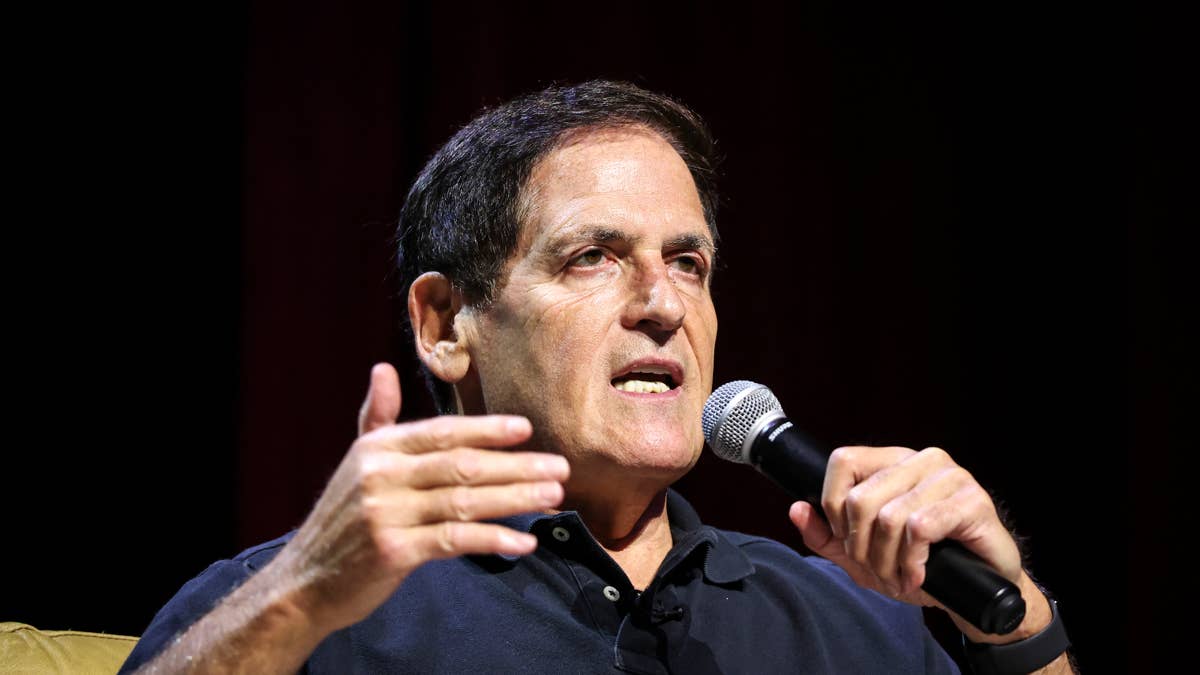
However, billionaire entrepreneur Mark Cuban, who co-founded Cost Plus Drugs to challenge the industry’s pricing system, isn’t convinced CVS’s planned breakup will do much for patients.
His concerns center on a critical part of CVS’s business that restructuring leaves untouched, raising questions about whether the changes would actually benefit Americans.
CVS’s massive breakup leaves a key healthcare business intact
On Nov. 4, CVS Health laid out plans to split into two publicly traded companies by the first half of 2028, separating its familiar drugstores from much of its healthcare business.
The new CVS Pharmacy will oversee about 9,000 stores, mail-order pharmacy operations, MinuteClinic, and the Health100 platform. At the same time, CVS Health will retain Aetna insurance, CVS Caremark, CVS Specialty, and other healthcare services.
More healthcare/health:
- Health insurance is about to cost you a lot more in 2027
- Medicare shoppers face a hidden AI problem this open enrollment
- Pepsi, Nestle could save 150,000 lives a year with one simple change
CEO David Joyner believes the two specialized businesses could operate much more efficiently while improving affordability.
But Cuban sees a catch.
“The split is great for shareholders,” Cuban wrote on X, adding that it “changes nothing for patients or anyone who pays for insurance or care.”
His concern centers on what CVS isn’t separating.
Caremark is a pharmacy benefit manager, or PBM, that negotiates prescription drug arrangements for health plans and determines which medications are covered. Those decisions influence what insurers pay, how pharmacies are reimbursed, and what patients ultimately owe.
Under the proposed restructuring, Aetna, Caremark, and CVS’s specialty pharmacy operations will remain under the same corporate roof.
Cuban, who co-founded Cost Plus Drugs to challenge traditional prescription pricing, called Joyner “a genius financial engineer,” urging lawmakers not to confuse the corporate shake-up with meaningful healthcare reform.
He warned, “Don’t fall for it.”
For Americans already struggling with medical bills, that difference is significant.
Mark Cuban’s criticism comes as Americans struggle with medical bills
The development comes at a time when Americans are growing increasingly frustrated with paying more just to maintain their insurance coverage.
According to KFF’s 2026 employer survey, the average annual premium for family coverage reached $28,303. Workers contributed $7,471 of that, or about $623 a month, with employers paying the rest.
And premiums are only the starting point. Deductibles, copays, and uncovered services can add thousands more when someone actually needs care.
The strain is changing behavior. KFF found that 43% of adults had taken steps to save money on medications, including delaying prescriptions or skipping doses.
That backs up Cuban’s skepticism of a breakup that leaves CVS’s insurance and pharmacy benefit businesses together.
PBMs can negotiate lower drug prices for health plans. But their rebates, reimbursement arrangements, and ownership ties to specialty pharmacies also raise questions about who captures the savings.
In a 2025 report, the Federal Trade Commission found that pharmacies affiliated with the three largest PBMs generated more than $7.3 billion in revenue above estimated acquisition costs on selected specialty generic drugs between 2017 and 2022.
On the political front, Senators Elizabeth Warren (D-Mass.) and Josh Hawley (R-Mo.) have proposed legislation targeting healthcare conglomerates’ ownership structures, a broader intervention than CVS’s voluntary separation.
On the flip side, CVS argues that integration can deliver purchasing power, coordinated care, and efficiencies. Those benefits are possible, but they don’t establish that patients will pay less after the breakup.
For households already delaying treatment to save money, that’s the test that matters.
Will CVS’s breakup make healthcare cheaper for Americans?
On the day CVS Health announced the planned breakup, its shares took a big hit.
CVS stock sank 12.53% to $79.96 on Nov. 4, even as the company reported $108.4 billion in quarterly revenue and adjusted earnings of $2.09 per share. It raised its 2026 adjusted earnings outlook to at least $8.20 per share, according to Yahoo Finance.
Wall Street’s reaction underscores the uncertainty surrounding the separation.
As independent businesses, CVS Pharmacy and the remaining CVS Health might attract different investors, pursue growth strategies, and allocate capital more efficiently. The pharmacy chain could also establish new relationships with insurers and pharmacy benefit managers.
But none of that guarantees lower healthcare bills.
Aetna, Caremark, and CVS Specialty would remain together, potentially preserving some of the financial incentives Cuban wants changed.
For investors, the big question is whether independent companies can deliver stronger earnings while moving the share price. However, although CVS stock has had an incredibly rough year to date, up just 0.7%, it does offer a nifty 3.3% dividend yield, having paid dividends for nearly 30 consecutive years, according to Seeking Alpha.
For patients, the measures are obvious: stronger price transparency, lower prescription costs, and more affordable insurance.
Ultimately, CVS hopes the breakup creates greater value for shareholders. Whether it offers meaningful financial relief to Americans paying for healthcare remains an open question.
Related: 5-star analyst resets Nvidia stock target after Intel crash