




















Memory stocks were the hottest trade of 2026 until they weren’t.
In the span of a few weeks, one of the market’s best-performing sectors flipped into a bear market.
Micron (MU), Samsung, and SK Hynix (SKHY) all fell more than 20% from their late-June highs, and the Roundhill Memory ETF went down with them.
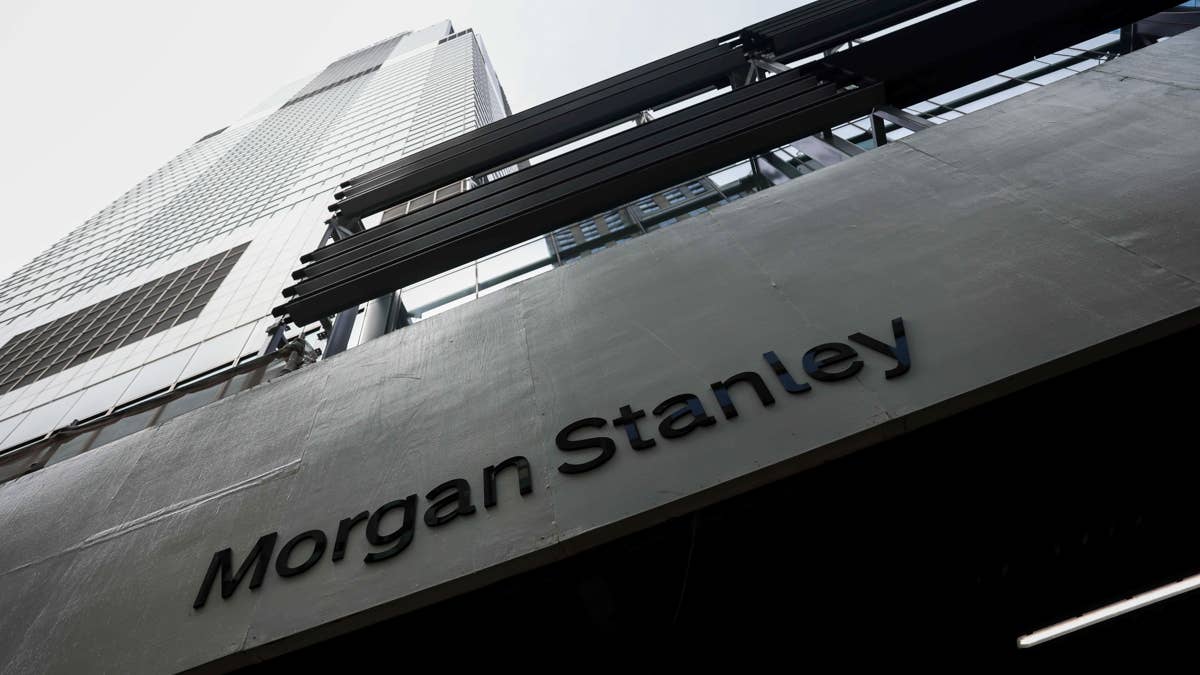
Then Morgan Stanley told clients that the selling had gone too far, and it looks like there is a chance to buy.
The firm’s verdict deserves a closer look before taking your next investment decision.
Why Morgan Stanley calls the memory selloff a buying opportunity
Morgan Stanley analyst Joseph Moore laid out the case in a July 20 note.
He described the recent decline as a “compelling entry point,” Investing.com noted. Moore argued that the fundamentals driving memory demand never actually broke.
The selloff came from somewhere else. It was driven by soft demand signals from PCs, smartphones, and other consumer electronics, which spooked investors.
Moore treats those as false alarms and misleading indicators for the overall sector, which is mainly driven by AI data center demand.
Moore’s team checked in with data center buyers the week before the note. They found that shortage intensity shows no signs of slowing.
What the data center shortage means for prices
Memory prices for data centers are set to rise at least 25% from the second quarter to the third quarter.
That is above both Morgan Stanley’s own estimates and third-party forecasts, according to Yahoo Finance.
That matters because rising prices in a supposed downturn tell you the shortage is real. When buyers keep paying more, it signals that supply is not catching up.
Related: Wall Street flees software plays for triple-digit chipmaker boom
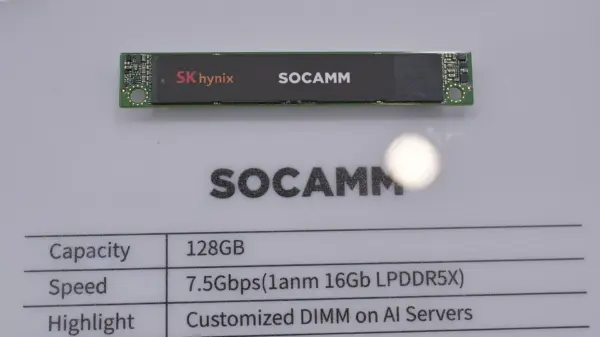
High-bandwidth memory, or HBM, sits at the center of it.
HBM is a stacked, ultra-fast memory that works alongside AI processors to move huge amounts of data quickly, which makes it essential hardware for training and running large AI models.
Demand for HBM is the constraint, and Morgan Stanley expects the shortage to deepen, not fade.
How long the memory shortage could last
A short-term price bump is one thing. A multi-year structural gap is another. Morgan Stanley made it clear that it sees the second.
The firm said concerns about memory shortages intensifying in 2027 and 2028 remain “as strong as ever,” according to Investing.com.
Other analysts had the same outlook.
KeyBanc’s John Vinh recently raised his Micron target to $1,750 and estimated shortages lasting through 2027.
More AI Memory Stocks:
- Micron stock jumps as investors look beyond GPUs in AI chip trade
- Nvidia stock remains Morgan Stanley’s top pick despite headwind
- Veteran analyst drops massive Micron valuation prediction
The demand backing this up is real. Micron reported $22 billion in memory supply commitments from 16 strategic customers, Reuters reported.
These commitments come with take-or-pay clauses and pricing floors included.
Customers are locking up supply years in advance. That is what a durable shortage looks like.
What the broader chip cycle signals about demand
The memory cycle is not alone. It aligns with a broader chip market recovery identified in a recent Morgan Stanley distributor survey
Analog, microcontroller, and power components have all moved to shipping above natural demand.
That is a sign the broader chip cycle is healing even if the pace is slower than past recoveries.
A few signals stood out in the survey:
- Analog sequentialgrowth expectations climbed to 75%, with the cycle indicator up 9.7 percentage points from its June 2024 bottom.
- Power chips are seeing a modest supply buildup, driven by AI and data center server demand.
- Pricing stayed firmacross analog and microcontroller lines, with zero survey respondents reporting weaker pricing.
Firm pricing across the board suggests demand, not just hype, is holding the recovery together.
Where the caution still lives
None of this makes memory stocks a risk-free trade.
Morgan Stanley called memory stocks crowded and warned that sharp pullbacks will keep happening. It treats those dips as tactical entry points rather than reasons to abandon the thesis.
There is also a real ceiling on prices. According to Moomoo, a separate Morgan Stanley team flagged that pricing momentum may be nearing a peak.
Quarterly memory revenue now tops $200 billion, up from about $46 billion a year earlier. Push prices that far and demand eventually starts to break.
Memory is still a cyclical business, and if supply catches up faster than expected, the same pricing power lifting these stocks now can reverse just as quickly.
Why Texas Instruments shows the other side of the trade
Not every chip name has the same optimism, and Texas Instruments (TXN) makes the difference clear.
According to Yahoo Finance, Morgan Stanley raised near-term growth and price estimates for the analog maker, pointing to strong analog, industrial, and data center trends.
It lifted its price target to $230 from $221. Yet the firm kept an Underweight rating on the stock.
The reason is a big increase in spending on new plants that Morgan Stanley expects to pressure near-term earnings and free cash flow.
Strong demand does not automatically mean a strong stock, and TXN is an example.
What this means for investors watching memory stocks
For readers weighing the sector, here are a few key notes.
- The AI data center shortage is the core driver, and Morgan Stanley sees it lasting into 2027 and 2028.
- Firm pricing during a selloff shows that demand is holding even as sentiment swings.
- Volatility is the cost of entry. Expect more sharp drops, and size positions accordingly.
- Not all chip names are equal. Memory and compute leaders like Nvidia and Broadcom carry the strongest cases, while big spenders face a tougher near-term path.
Micron sat around $865 on July 20, well off its June 25 high near $1,213, according to Macrotrends.
The pullback gave patient investors a lower entry into a trade Morgan Stanley still believes in. Whether it pays off depends on one thing: how long AI keeps outrunning the world’s memory supply.
Related: Citi sends warning on semiconductor and hyperscaler stocks