













When a fast-food chain, a packaged-food giant, and an appliance manufacturer all say the same thing in the same quarter, it is worth stopping to ask why.
These are businesses with nothing in common. They do not compete with each other. They do not share supply chains. They do not even sell to the same aisle of the store.
But their CEOs have been delivering versions of the same warning for months now. The customers at the lower end of the income scale are under serious financial pressure.
It is showing up in the sales data at all three companies. McDonald’s, Kraft Heinz and Whirlpool have each seen it from a different angle. Together their reports sketch a picture of American household finances that investors need to pay attention to.
What Kraft Heinz, McDonald’s, and Whirlpool CEOs say about consumers
Kraft Heinz CEO Steve Cahillane gave the bluntest version of this view in a May 2026 interview.
“They’re literally running out of money at the end of the month,” he told Bloomberg. “We’re seeing negative cash flows in the lower-income brackets where they’re dipping into savings.”
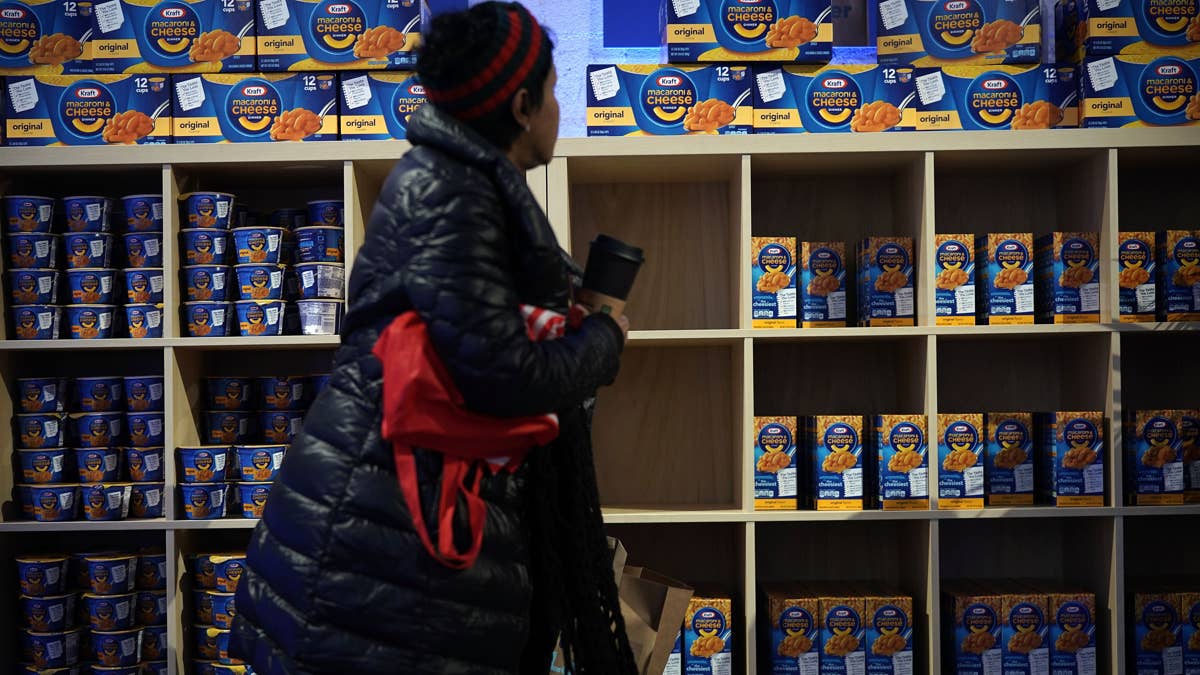
Kraft Heinz responded by cutting prices on some products, adding promotions, and offering smaller package sizes at lower price points.
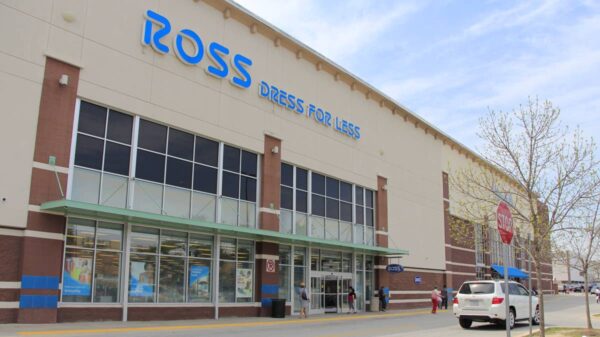
McDonald’s CEO Chris Kempczinski described “heightened anxiety” among the company’s customers. CFO Ian Borden went further, pointing to higher gas prices hitting lower-income households particularly hard. Those customers are pulling back. Higher-income customers are not.
Related: McDonald’s unveils unexpected first-ever partnership
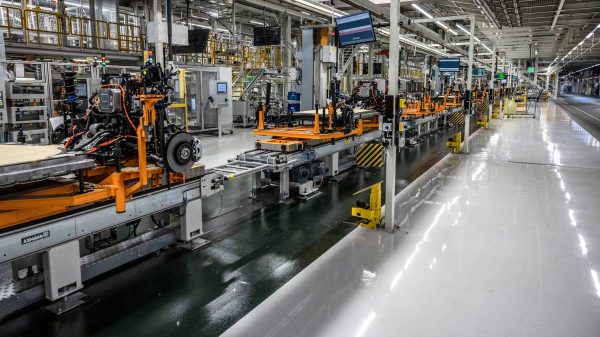
Whirlpool CEO Marc Bitzer described a sharp pullback in big-ticket appliance demand. North America president Juan Carlos Puente used the term “recession-level industry contractions.” Discretionary appliance demand fell roughly 15%, according to Yahoo Finance.
Whirlpool’s situation is the most acute because appliances are expensive and postponable. When a family is under financial pressure, they stop replacing things they can still live with.
Credit card debt and savings rates signal U.S. consumer stress
U.S. credit card balances hit $1.25 trillion in the first quarter of 2026. Auto loan balances were at $1.69 trillion over the same period. Americans are carrying more debt than they were a year ago, and they are saving less at the same time, per the Federal Reserve Bank of New York.
The personal saving rate fell to 2.7% in June, per the BEA. That leaves most households with very little cushion when an unexpected expense hits.
The Federal Reserve‘s latest household economic well-being report found that 16% of adults had not paid all their bills in full during the previous month. Among those who struggled, 42% had paid at least one bill late, according to the Federal Reserve.
These are not recession figures. They are signs of a consumer base that has been running on fumes for a while.
Alex/Getty Images
Why food, housing, and energy costs keep squeezing U.S. households
The cost-of-living issue is not just about recent months. It goes back to 2020.
Food prices in the U.S. have risen more than 33% since the start of that year. Housing costs have risen roughly 33% over the same period. Energy prices have climbed more than 42%, per the Fed.
Slower inflation does not reverse those increases. It just means prices stop rising as fast. The eggs that got more expensive in 2022 are still more expensive in 2026. Nobody got a refund. People dipped into savings or put it on credit. That money is gone.
More Economy:
- Bank of America CEO warns inflation will back Fed into a corner
- Bank of America just made a strong call on inflation, economy
- Goldman Sachs says Americans may pay for the AI boom
The Federal Reserve Bank of Minneapolis inflation calculator puts $100 today at roughly the same purchasing power as $11.74 in 1970, according to Moneywise. Run that number past someone who grew up in the 1990s thinking they had a handle on their finances.
Their wages went up. Their costs went up faster. The math stopped working somewhere in between.
What lower-income consumer stress means for these 3 stocks
Each company is seeing the same consumer problem from a different angle.
At Kraft Heinz, shoppers are buying store brands instead of Heinz ketchup. They hold out for promotions. They grab the smaller pack. Cahillane cut prices and added smaller package formats because he had to. Sales volumes were leaving if he did not. Margins took the hit.
For McDonald’s, the dynamic is more complicated. The chain has traditionally benefited from trade-down eating. People who cut back on casual dining tend to shift toward fast food. But higher fuel costs eat into the budgets of lower-income customers who would otherwise make that shift.
McDonald’s is caught between benefiting from broader restaurant weakness and losing its cheapest customers to eating at home.
Whirlpool has the toughest version of this. A refrigerator is not something you buy because you feel like it. You buy one when yours dies.
Right now, people are patching things together and putting off that purchase. Credit is expensive. Confidence is low. Puente called it recession-level demand for a reason. There is no pent-up buying wave coming. There is just a repair bill that keeps getting extended.
These warnings do not mean the U.S. economy is entering a recession. Higher-income consumers are still spending. Corporate profits remain elevated. But the bottom half of the income distribution is clearly under stress.
The three companies named here are watching it show up in their own data. Investors should watch the same metrics: margin trends, volume per customer, and how much promotional spending it takes to keep shelves moving.