









Every company has a favorite number. You learn the most when it stops showing up.
Investors have spent two years hunting for platforms that can turn artificial intelligence into real cash on the income statement. Most of that attention lands on U.S. names like OpenAI’s backers and the chipmakers that supply them.
One of the few Chinese companies that put a hard figure on its AI product, quarter after quarter, was a short-video app better known as a rival to Douyin, TikTok’s sister app in China. That company liked to show its homework.
In August, it said its AI unit brought in more than 850 million yuan in the second quarter, up more than 200 percent from a year earlier. The unit now has a shiny new product, and the parent has a fresh earnings report.
The two don’t line up the way you might expect.
Kuaishou Technology’s (KUASF) Kling AI unit launched Kling Image 4.0, its newest image generator, on Nov. 17.
Two days later, Kuaishou posted third-quarter results with no Kling revenue figure at all.
Kling’s 8K features aimed at ad makers and sellers
The pitch is aimed at people who make ads, product pages, and storyboards for a living. Kling said the model creates images with “the natural look of photographs that are taken straight from the camera,” according to the company’s launch announcement distributed by Media OutReach Newswire.
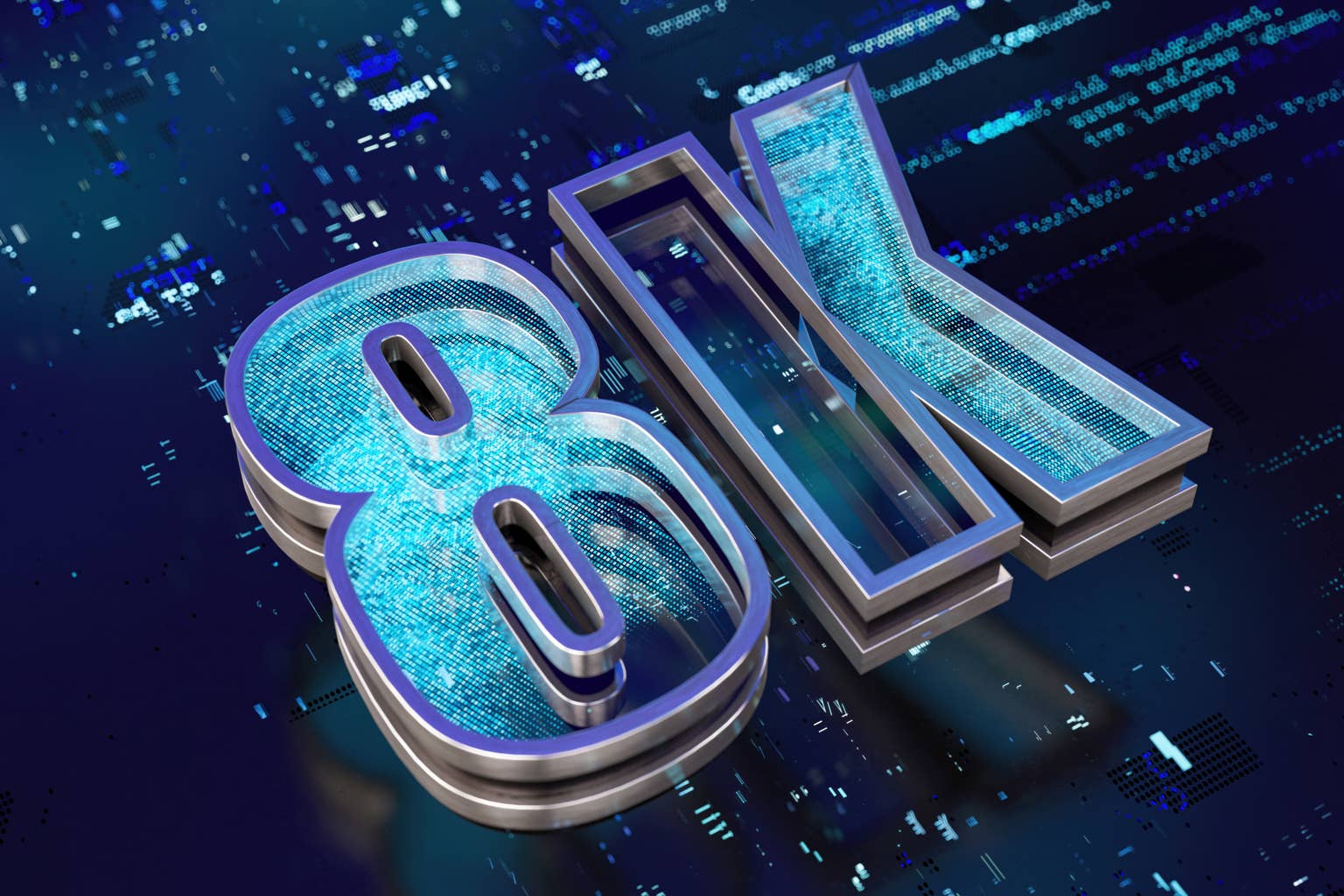
The headline feature is native 8K output, which Kling describes as a first for AI image generation. The company says fine detail in skin, fabric, and product materials stays sharp, even when you crop in close.
Text has long been a weak spot for image generators, and Kling is leaning into it. The model can place up to 2,000 characters in one image, offers more than 70 preset fonts, and handles seven languages, including English, Spanish, Japanese, and both forms of written Chinese.
It can also build a set of up to 10 related images from one prompt, keeping the same style and subject while changing angles and framing. That’s aimed at e-commerce sellers who need a product shown from every side and filmmakers sketching a storyboard.
The model is available now in Kling’s creative studio and through an API for businesses and developers, according to Kling’s blog. The post adds that prompts can run up to 15,000 tokens.
A seventh-place finish behind OpenAI’s image models
Kling’s release says Kling Image 4.0 Preview “maintains a leading position” on the Artificial Analysis image leaderboard. When I checked the live text-to-image board on Nov. 27, the picture was more modest.
Kling Image 4.0 sat seventh with an Elo score of 1,181, according to Artificial Analysis. Five of the six models ahead of it were versions of OpenAI’s GPT Image, and the sixth was Microsoft’s MAI-Image-2.7.
More Artificial Intelligence:
- Cathie Wood buys $145.9 million of tumbling AI stock
- Etsy’s AI problem just switched sides as sellers walk out
- AI debt fears mount as cash and defensive stocks come back in favor
The board is built from blind head-to-head votes, so seventh is still a strong showing. By my reading of the top 10, Kling was the only Chinese model on it, ahead of Google’s Nano Banana 2.1.
Artificial Analysis lists the price at $63 per 1,000 images, or about 6 cents apiece. If you run a small online shop and pay a freelancer for product photos, that is the number worth comparing.
The gap between “leading” and “seventh” matters because Kling is selling to professionals. An ad agency choosing a tool will run its own tests, and the marketing copy won’t survive the first side-by-side comparison if the output doesn’t hold up.
Kuaishou’s core business is shrinking
Kling’s launch lands at an awkward moment for its parent. Kuaishou’s revenue fell to 31.6 billion yuan in the third quarter from 35.6 billion yuan a year earlier, and the company swung to a net loss of 959 million yuan from a 4.5 billion yuan profit, according to its third-quarter results released Nov. 19.
Here’s how the money trail around Kling has looked this year:
- Kling generated more than 850 million yuan in second-quarter revenue, up more than 200 percent from a year earlier, based on Kuaishou’s second-quarter results.
- Beijing Kling closed a 19.8 billion yuan funding round, leaving Kuaishou with about two-thirds of the equity and 52.45 percent of the voting rights, Reuters reported, according to Finimize.
- Investors in that round can demand their money back plus 8 percent annual simple interest if Beijing Kling doesn’t go public by Oct. 30, 2031, according to Dealroom.
- Research and development spending climbed to about 5.18 billion yuan in the third quarter from 3.65 billion yuan a year earlier, Kuaishou said in its third-quarter release.
In the second quarter, Kuaishou said revenue from other services rose 18.5 percent, “primarily due to the growth of our Kling AI business,” according to its results statement. In the third quarter, that same line grew just 1.5 percent, with Kling sharing the credit with games.
Kuaishou’s chief still talked up the unit. “These advances further consolidated Kling AI’s global leadership in multimodal large video generation models,” CEO Cheng Yixiao said in the third-quarter release.
Why Kling’s missing revenue figure matters
My analysis: A company that gave investors a Kling revenue number in the second quarter chose not to give one in the third.
That doesn’t prove sales fell. It does, however, mean you can no longer check the one figure that justified the spending.
Wall Street has been split on how much Kling can carry. Nomura analysts Jialong Shi and Rachel Guo said in August that the unit faced “severe operational challenges,” with ByteDance’s “Seedance 2.5 poised to exert significant competitive pressure,” according to Dow Jones, as Morningstar noted.
Related: Astera Labs is suddenly back in the AI spotlight after rough patch
Others were more upbeat after the July funding round. Citi analysts called the roster of backers, which included Alibaba and Tencent, “impressive,” according to The Edge Malaysia.
I read Kling Image 4.0 as equal parts funnel play and tech flex. A marketer who starts with cheap still images is one click away from Kling 4.0, the video model the company says launched Oct. 15, and video is where Kling has made its money.
How this AI bet hits your portfolio and wallet
If you own Kuaishou shares or a China tech fund that holds them, Kling is now the story you’re paying for. The core ad and live-streaming businesses are shrinking, so the AI unit has to grow fast enough to fill the hole.
That’s a tall order with one funding clock already running. The 2031 listing deadline gives Kuaishou a strong reason to keep Kling’s numbers looking good, and a quiet quarter is the kind of thing investors should notice.
If you’re a creator or a small business owner, the calculation is simpler. A 6-cent image that looks good enough for a product page can save you real money, and you can test it yourself before believing any leaderboard claim.
The fourth-quarter report will show whether Kling’s favorite number comes back.
Related: OpenAI pitches an industry brake days after Anthropic’s IPO