



Tesla runs its earnings Q&A through a platform called Say Technologies, where shareholders submit questions and vote them up based on how many shares they hold. The idea is that the most pressing investor concerns rise to the top, giving Musk and his team a clear read on what the market actually wants answered before he gets on the call.
For Tesla’s second-quarter earnings on July 22, the top categories looked predictable: FSD, Robotaxi, Optimus, Cybercab. And then, in fifth place, SpaceX. Not Starlink. Not SpaceX’s technology. Whether Tesla and SpaceX might merge. Twenty-two questions on that topic made it onto the formal shareholder agenda, and Tesla investors want a direct answer from Musk, Business Insider reported.
Why Tesla investors keep asking about a SpaceX merger
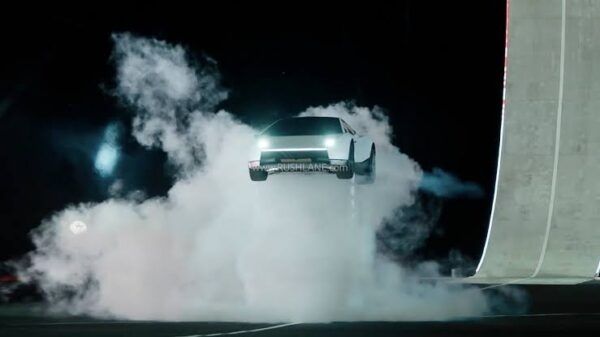
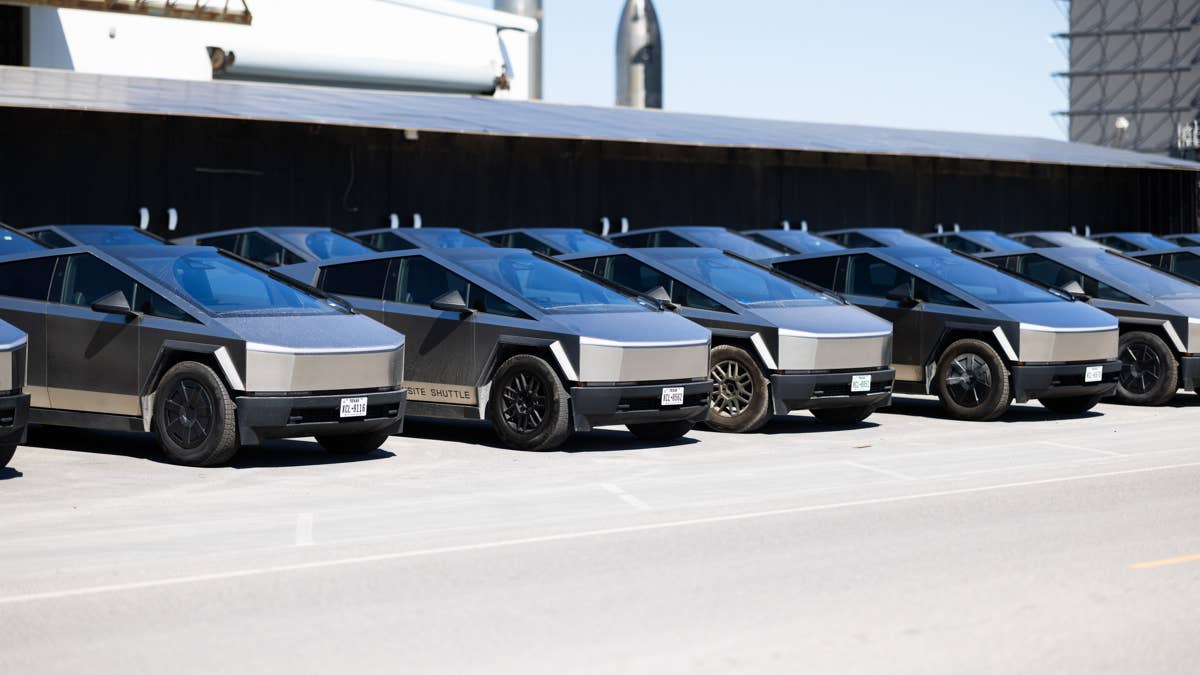
The persistence of the question has a lot to do with how much the two companies already overlap. Tesla holds a stake in SpaceX. Tesla sold roughly $890 million in vehicles and batteries to SpaceX and its subsidiary xAI since 2023, and SpaceX spent $131 million on Cybertrucks in 2025 alone, according to the company’s IPO filing.
Earlier this year, SpaceX acquired xAI. Tesla had put $2 billion into xAI, so that investment became a small equity stake in SpaceX when the deal closed, the first time a regulatory filing had formally connected the two companies, CNBC reported.
More Teslaand SpaceX:
- Tesla merger with SpaceX won’t save investors, top analyst says
- Tesla’s $1.4 trillion valuation rests on what happens next in one city
Musk has also talked openly about building a joint chip manufacturing facility. Earlier this year he said the two companies had started work on a project called Terafab, aimed at producing a terawatt of AI compute hardware annually. SpaceX’s own IPO prospectus listed merger execution and integration as a potential future risk factor, which reads less like boilerplate and more like foreshadowing to investors who have been paying attention.
What SpaceX’s president actually said about combining with Tesla
The comment that intensified investor curiosity the most came on June 12, SpaceX’s IPO day. Speaking to CNBC’s Morgan Brennan on the Nasdaq floor, SpaceX President and COO Gwynne Shotwell declined to rule out a future merger. “There’s no question that there are synergies between Tesla and SpaceX in our futures,” she said. “There’s a convergence of what we’re all trying to accomplish in the future.”
She added that combining the two companies “might make Elon’s life a little easier,” though she was quick to say her current focus was on rockets, broadband, and the International Space Station, CNBC reported. She also said mergers and acquisitions were “in the future, especially when you look at the AI world.” It wasn’t a commitment. But it wasn’t a denial either, and for Tesla shareholders, the ambiguity is the problem.
Reginald/Getty Images
The bull and bear case for a Tesla SpaceX combination
Wedbush analyst Dan Ives has been the most outspoken advocate for the deal on Wall Street. He sees a merger happening in the first half of 2027 and puts the odds above 80%, calling the combination a potential “holy grail” for linking Tesla’s AI and robotics with SpaceX’s compute ambitions, as TheStreet reported. He holds a $600 price target on Tesla, the highest on Wall Street.
The bullish argument is that Tesla and SpaceX already share engineering culture, leadership, and long-term technology goals, and a formal merger would reflect what is already happening informally.
The bearish case is harder to dismiss. BNP Paribas has maintained an underperform rating on Tesla with a $280 price target, arguing the merger is “complicated by significant cash burn at both companies and meaningful regulatory risks.” The bank estimates SpaceX will burn $216 billion from 2026 through 2031, on top of Tesla’s own spending cycle, as TheStreet reported.
Getting regulatory approval is its own problem. SpaceX has significant defense contracts, which means any deal would need clearance across multiple agencies in multiple countries. That alone could take years. And there’s a simpler concern: Tesla shareholders who bought stock in an EV and robotics company didn’t sign up to own a piece of a rocket company. The valuation math gets harder, not easier.
What Tesla investors should watch at Q2 earnings on July 22
The merger question will likely come up on the call, but it may not get a direct answer. Musk has a history of staying vague on corporate structure questions while being more expansive about technology timelines. What Tesla investors actually need to hear is whether autonomy, Robotaxi, and Optimus are on track, because those are the business lines the current valuation is pricing in.
The SpaceX questions from shareholders reflect something broader than merger curiosity. One submission from a shareholder representing 493,000 shares asked specifically about Tesla’s plan to roll out “Digital Optimus with SpaceXAI,” signaling that investors already see the operational relationship between the two companies as shaping Tesla’s product roadmap, not just its ownership structure.
For now the merger remains unconfirmed and no timeline has been publicly set. Tesla investors who have watched the stock are increasingly betting that Musk will ultimately engineer a combination of his two businesses, with SpaceX’s stock slump since its IPO high potentially making Tesla shareholders more receptive to a deal, Bloomberg reported.
July 22 is when Musk gets a chance to address the question directly or draw a clear line between his companies. Tesla shareholders who bought into an EV and autonomy story want to know whether a SpaceX combination is part of the plan. If it is, what it means for their stake. The question isn’t going away on its own. It gets louder every time another commercial tie between the two companies shows up in a filing.