






















For most of its life, the Cybertruck has had more critics than buyers. Now, with an end date on the calendar, CEO Elon Musk says Tesla (TSLA) cannot build them fast enough. It’s the kind of demand problem Tesla could only have dreamed about a year ago.
It’s also a strange turn for this truck. When production kicked off in 2023, Musk talked about selling 250,000 a year. Last year, Kelley Blue Book counted 20,237 U.S. sales, as reported by CBS News.
A late flurry of orders won’t close a gap that big.
Musk says the backlog outruns the line
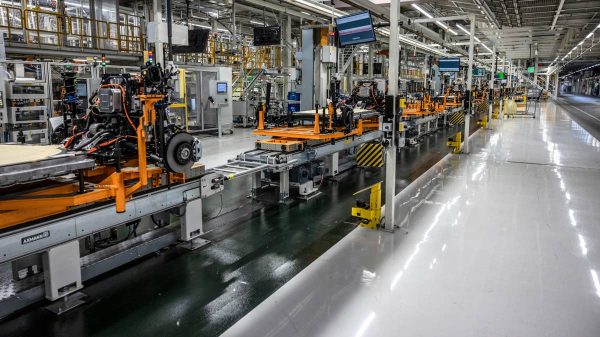
The announcement came first. On Nov. 5, Musk wrote on X that “Tesla will be winding down production of the Cybertruck at Gigafactory Texas around the middle of next year” to make room for more Cybercab output.
He did not say whether production would move to another plant, and Giga Texas is the only factory known to build the truck.
Also read: Bank of America resets Tesla forecast as Robotaxi miles double
A day later, he followed up with a bolder claim. The order backlog is “far more than we can make before dismantling the line for Cybercab expansion,” Musk wrote, adding in a separate post on X that Tesla “will add an extra shift to try to get all orders done in time.”
Musk put the line’s end at around June or July 2027. That leaves roughly eight months for Tesla to clear whatever orders it has on the books. Tesla does not publish Cybertruck order figures, so there is no way to check the size of that backlog independently.
Musk has also tried to soften the blow for current owners. “True,” he said, “but the Cybertruck fleet will be around for a long time.” He called the truck the “best vehicle Tesla has ever made” and described the move as the “end of an era.”
The big Tesla Cybertruck promise came with thin sales
Early on, the hype was real. More than 1 million people put down Cybertruck reservations, yet recall filings showed only about 46,000 trucks had reached buyers after roughly a year on sale.
Musk had pitched a $39,900 starting price, but the truck arrived in 2023 at more than $60,000, Wired reported.
Sales then fell sharply. Kelley Blue Book estimates put U.S. Cybertruck sales at 20,237 last year, down 48% from 38,965 in 2024. That was far below the 250,000 a year Musk projected when production started in 2023.
Tesla does not break out sales by model, which leaves outside estimates as the best guide to how the truck is really doing.
Price cuts did not fix the problem. In February, Tesla rolled out a dual-motor version at $59,990 for a limited time and cut the Cyberbeast to $99,990 from $114,990.
The lineup now runs from $74,990 for the Dual Motor to $99,990 for the Cyberbeast, far from the original promise, Fox Business reported.
Cybercab gets the factory floor
The space at Giga Texas is going to Tesla’s Robotaxi. The two-seat Cybercab entered production earlier this year, and paid rides began in September with a small fleet in Austin, according to Fox Business.
Cybertruck lead engineer Wes Morrill wrote that the truck “lives on through Cybercab.”
The Robotaxi program is still small, though, and it has a long way to go before it fills a factory. Texas had 463 Cybercabs registered as of late October, Electrek reported. The same report said Tesla plans to turn the old Model S and Model X lines into Optimus robot production.
That shift is costing a lot of money. Tesla raised its 2026 capital spending plan to more than $25 billion, and finance chief Vaibhav Taneja said it would weigh on free cash flow, according to TheStreet. He called it “the right strategic approach to position the company for its next era.”
More Tesla:
- Tesla stock sellers should pump their brakes, 5-star analyst says
- Bank of America resets Tesla forecast as Robotaxi miles double
- Tesla wants to sell a car with no steering wheel this year
Tesla’s car business explains why the company is leaning on new bets. Its 2025 revenue fell for the first time, and automotive gross margin excluding regulatory credits turned negative for the first time.
Profit from selling cars alone is no longer carrying the story, and the truck was never a big part of it anyway.
What owners and investors watch next
Owners want to know what happens after the line stops. It is still not clear whether Cybertruck production will move elsewhere or be phased out entirely, and federal regulators have recorded 11 recalls since the truck’s 2023 debut.
Ford, in contrast, promised 10 years of parts, service, and software updates when it dropped the F-150 Lightning.
Investors seem more focused on the Robotaxi than the truck. Tesla shares rose about 5% in early trading on Nov. 6, the day after Musk’s wind-down post, as reported by Tikr. For now, the market appears willing to trade a slow-selling pickup for more room to build Robotaxis.
The real test comes next year. The Cybercab has become a central showcase for Tesla’s push into AI and robotics, and federal safety regulators opened an audit in September into whether Tesla properly certified it.
If the extra shift fills a genuine backlog, the Cybertruck will at least go out on a strong note, but the bigger question is whether Cybercab can grow fast enough to justify the floor space it is taking.
Related: UBS holds its ground on Tesla after mixed delivery results