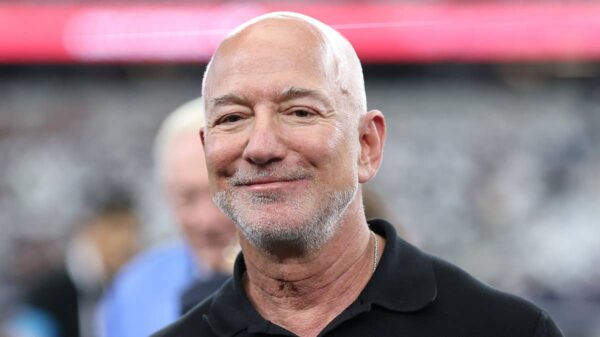



















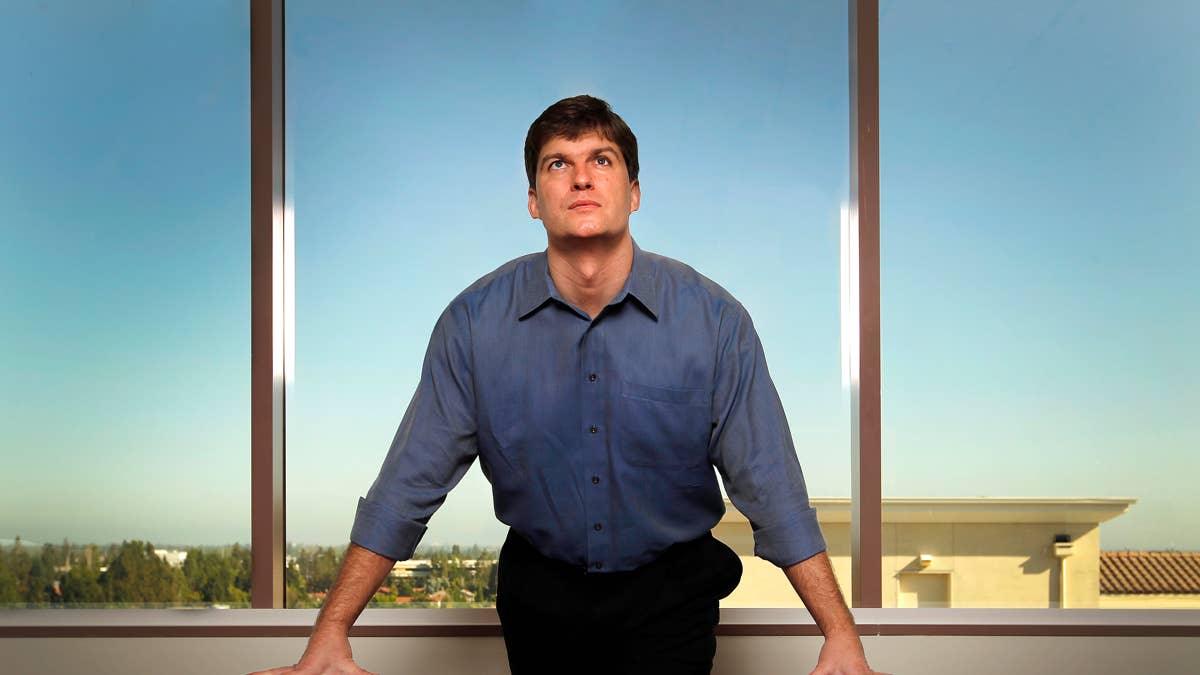
Michael Burry has spent most of this year warning about AI stocks. Now he says he can hear trouble somewhere less visible.
In an Oct. 8 post on his Substack newsletter, the investor famous for calling the 2008 housing collapse said he was hearing “creaks and groans” and “some loud snapping and crackling” in private-market credit.
It was not his first warning that week. Two days earlier, Burry wrote on X that the stock market was in the first stage of grief and denial. Based on 2000 and 2008, he said, that stage tends to last six to nine months.
Also read: Michael Burry reveals his verdict on the ongoing AI bubble
What Burry warns about the private markets
His concern centers on how private loans are valued and who is holding them. Burry pointed to valuation marks and to the role insurers have taken in financing AI infrastructure. He warned that rising long-term interest rates could add pressure before data center projects start to pay off, according to Seeking Alpha.
In a post on X, he said private equity and private credit were under strain beneath the market’s calm. Some insurers, he argued, are holding “too many bad assets.” That stress, he warned, could spill into data center funding where projects are already delayed.
He has money riding on that view. Burry opened a bearish position in MetLife through long-dated put options struck in the $70s.
It fits a broader shift in how he is betting. In late September, he swapped short positions in Nvidia, Oracle, Palantir, Nebius and Micron for put options, saying he was “moving timelines up.” Several of those puts run into late 2027.
Cracks are already showing in private credit
The strain Burry describes has been visible for months. In June, Blackstone’s flagship private credit fund capped withdrawals at 5% after requests hit about 10% of shares. Cliffwater’s lending fund saw requests climb to 17%. Partners Group also capped withdrawals from one of its private equity funds.
Investors who wanted out often could not get all their money back. Nearly $14 billion was requested across these funds. Only about half was paid out. New private credit lending also fell about 40% from the first quarter, as reported by TheStreet.
Morgan Stanley has projected that default rates could reach 8% this year. Some on Wall Street see it as a liquidity squeeze rather than a collapse. Schwab described direct lending as facing a large liquidity issue, not a systemic solvency problem.
But it warned that a recession or renewed rate hikes could change that. Private credit investors, it added, could take bigger losses than bondholders in a severe downturn.
The valuation question Burry raised is real, too. A record $25 billion of speculative-grade software loans traded below 80 cents on the dollar early this year. Fund values may not yet fully reflect that stress. Software makes up roughly a fifth to a quarter of private credit deals.
Where insurers and AI meet
Insurers are deeply tied into this market. Life insurers held about $849 billion in private credit in 2024. That is more than double the 2014 level and close to half of the sector. The Financial Times has called insurance the lifeblood of private credit.
Apollo and KKR own insurance arms that invest in private debt. Marblegate Asset Management’s Andrew Milgram has warned of a “doom loop” if annuity holders pull money out. Insurers say they mostly buy safe, investment-grade assets. Economist Eileen Appelbaum argued the market is too opaque to judge how vulnerable it really is.
More Michael Burry:
- Michael Burry pulls an old playbook into the Nvidia fight
- Michael Burry turns a 40-year habit into a major stock bet
- Michael Burry doubles down on his surprising AI bet
Private credit is also helping fund the AI boom. The Bank for International Settlements warned that hyperscalers are increasingly using joint ventures and special-purpose vehicles backed by private credit to build data centers off their balance sheets.
Private credit funds lent more than $40 billion to AI-related companies in 2025. That is about five times the prior level.
A Brookings Institution study estimates U.S. AI infrastructure spending at about $10.3 trillion from 2025 to 2032. It warned that more of the risk is moving into off-balance-sheet structures that are harder to track.
What investors should watch
Burry has already mapped out where he sees the weak spots. In a Sept. 19 note, he calculated more than $3 trillion in off-balance-sheet commitments at the biggest tech companies.
He argued that data centers take years to build while AI chips can need major upgrades within 12 to 18 months, TheStreet reported. He described it as a risk of losses, not fraud.
He also questions whether all that capacity will be needed. Burry argued that advances in AI efficiency could cut computing requirements. Some infrastructure spending, he said, could become “sunk cost”, especially as companies turn to smaller, cheaper models, including Chinese open-weight models.
Borrowing costs remain the pressure point to watch. The 10-year Treasury yield recently hit its highest level since 2007, raising costs for data center builders. Oracle’s force majeure notice on a New Mexico project has already unsettled lenders. If Burry is right, private credit may be where the first cracks show.
Related: Michael Burry doubles down on his stock market stand