



















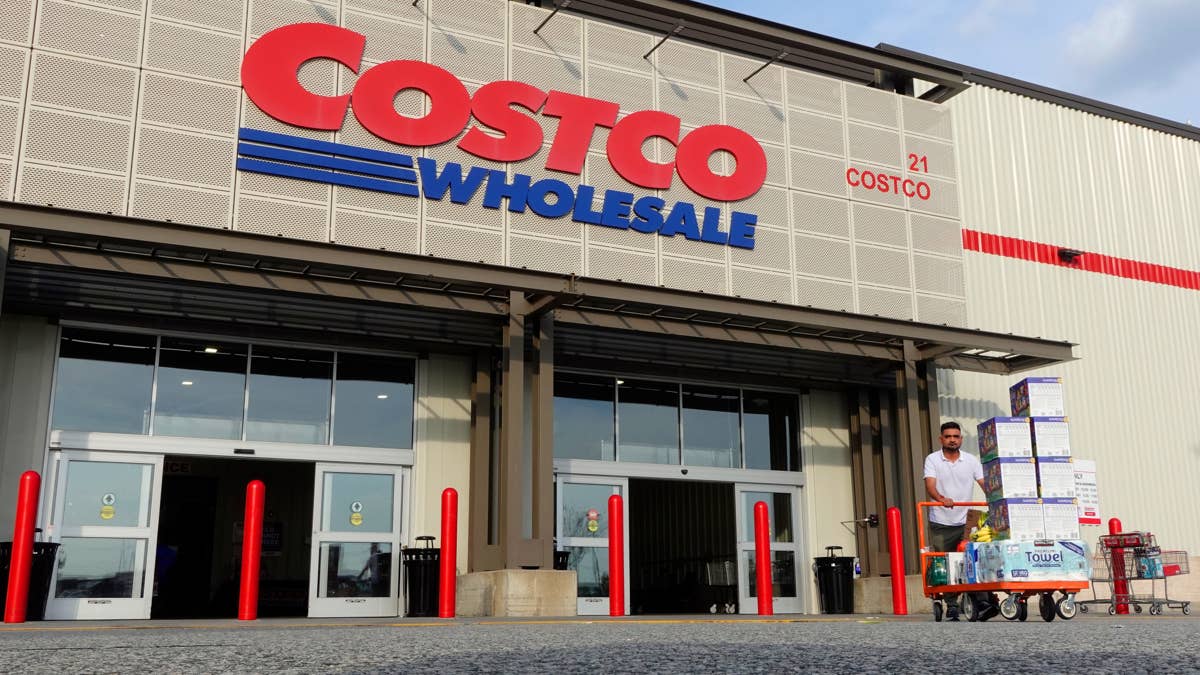
For Costco (COST) shoppers, a trip for one basic item can often turn into something much bigger.
One shopper on Reddit captured the experience almost perfectly:
“I went in for milk and came out with $300 in groceries plus an 80 inch TV…..and I forgot the milk.”
Apart from the obvious humor, it captures something important about Costco’s business model. Shoppers can arrive looking for everyday savings and still leave willing to spend heavily when they believe they have found a compelling deal.
That behavior matters right now.
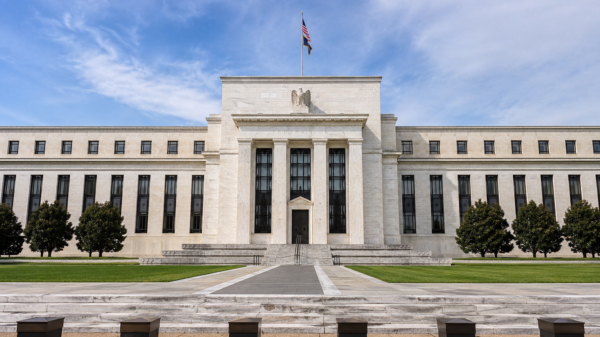
Costco’s September sales surged even as fresh Federal Reserve data showed financial pressure building for a meaningful share of American households. At the same time, Bank of America’s spending data suggests consumers haven’t simply closed their wallets. They continue to search for value and become more selective about where their money goes.
To me, those trends might fit together, but perhaps the more important question is whether Costco is merely enjoying another strong sales stretch or whether financial pressure is helping it capture a larger share of Americans’ spending.
Costco sales surge as shoppers lean harder into value
Costco’s latest sales figures show that Americans are still willing to spend heavily when they believe they are getting enough value in return.
More Walmart:
- Walmart gives shoppers a free way to skip the holiday chaos
- Walmart brings back a holiday returns perk shoppers count on every year
- Walmart’s CEO tells BofA where his retail chain is headed next
On October 7, Costco reported $30.02 billion in net sales for September, up 13% from $26.58 billion a year earlier. U.S. comparable sales jumped 12.5%, while adjusted U.S. comps excluding gasoline prices and currency effects still rose a strong 8%.
The underlying traffic data matters even more.
U.S. shopping frequency increased 4.3%, while digitally enabled sales climbed roughly 19%. That tells me Costco’s growth is not simply a story about shoppers paying higher prices for the same basket. More customers are showing up, and online engagement is expanding at the same time.
However, there are a few caveats.
Higher gasoline prices boosted the headline sales figure, while the timing of Labor Day added slightly more than 50 basis points to September growth. But stripping those effects away still leaves unusually healthy underlying demand.
Management had already been describing that behavior during Costco’s September 24 earnings call. CFO Gary Millerchip said members remain “very thoughtful about where they’re spending their dollars,” particularly on everyday purchases.
Yet that selective mindset hasn’t eliminated discretionary spending. Costco has also pointed to strength in categories ranging from furniture and housewares to fragrances, premium beef, massage chairs, and other higher-ticket products when customers perceive the deal as compelling.
So Costco shoppers aren’t simply buying less expensive necessities. Instead, they appear willing to spend more broadly when the value proposition feels strong enough.
But that raises the question of why Costco is winning so much wallet share precisely as American households become more careful with their money.
Americans are still spending, but the money is moving
Interestingly, Bank of America’s latest card data argues against the idea that the U.S. consumer has simply rolled over.
In September, aggregated credit and debit card spending per household rose 6.2% from a year earlier, or 5.1% excluding gasoline. Both were among the strongest growth rates BofA has seen in the past four years, and the strength extended across most discretionary categories and income groups.
But where that spending is going appears to be changing.
Bank of America said general merchandise and big-box retailers are outperforming more traditional retailers, a pattern it interprets as consumers actively seeking lower-cost alternatives while continuing to spend.
That shift is especially pronounced further down the income ladder. BofA’s July research found that lower-income households were increasing spending at discount apparel stores five times faster than higher-income households, while also gaining share at value grocers. Bank of America Institute
To me, that helps explain Costco better than a simple “consumers are struggling” narrative. The consumer may be moving from “spend less” to “waste less.”
Costco is unusually well-positioned for that mindset.
Its membership model encourages repeat visits, Kirkland Signature products typically undercut national brands, gasoline offers an everyday savings hook, and bulk groceries can lower unit costs. At the same time, Costco has shown that shoppers will still splurge on premium food, furniture, or other discretionary products when the perceived bargain is strong enough.
That is why Costco’s sales strength matters beyond one retailer. It may be evidence of a broader reallocation of household spending toward places where consumers believe their dollars work harder.
For perspective, Costco’s membership base is gigantic. Its 84.1 million paid members are roughly equivalent to the population of Germany, while its 150.4 million cardholders would represent about 44% of the entire U.S. population.
That said, the obvious next question is whether that behavior is temporary or whether rising financial pressure is making value-seeking a more durable feature of the U.S. economy.
Fed debt data show why Costco’s value advantage may have room to run
Fresh Federal Reserve data suggest the American consumer can remain resilient while still becoming much more value-conscious.
The Fed’s latest Survey of Consumer Finances found that the share of families spending more than 40% of their income on debt payments rose to 8.6%, the highest level since 2013. At the same time, the share of families reporting late loan payments climbed sharply, even as median income and net worth improved.
That mix is a telling statistic because households do not need to be in outright financial distress to become more careful shoppers. They can still have jobs, rising incomes, and appreciating assets while feeling less comfortable wasting money on purchases that do not seem worth it.
That is where Costco’s model may have an advantage.
The holiday season should provide the next real test.
I would watch whether Costco can keep traffic elevated, grow average transaction value, maintain strong membership renewal rates, and continue selling discretionary goods alongside groceries and gasoline.
If shoppers keep consolidating more of their spending inside the warehouse, that would suggest the value shift is becoming a lot more durable rather than cyclical.
For investors, the key question is therefore not whether consumers suddenly stop spending.
It is whether financial pressure keeps changing where they spend. If that happens, Costco may continue capturing wallet share precisely because Americans are becoming more selective, not because they have stopped buying altogether.
Related: Costco is winning at weight loss, but members are paying for it