



















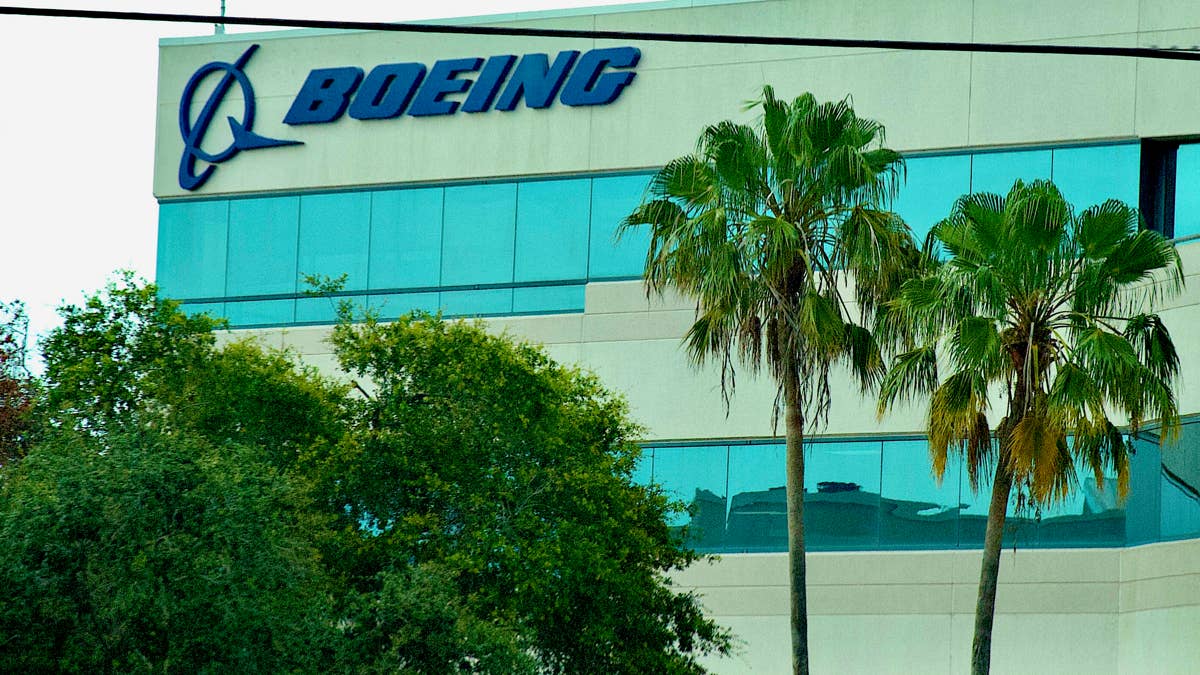
Boeing (BA) shares fell again this week. The stock closed at $198.20 on Friday, September 18, down 4.83% over the past five trading days and 12.98% year to date.
The drop came after comments from CEO Kelly Ortberg at Morgan Stanley’s Laguna Conference on September 16, where he identified new challenges on the 737 and 787 production ramps, and pushed 777X certification testing further into 2027.
Boeing is already under pressure to prove that its turnaround is feasible, and the CEO’s comments only added to investors’ caution. Yet, even with the caution, at least one major bank sees the pullback as a chance to add shares of the plane maker at a discount.
Boeing shares slide after CEO’s warning on 737 and 777X delays
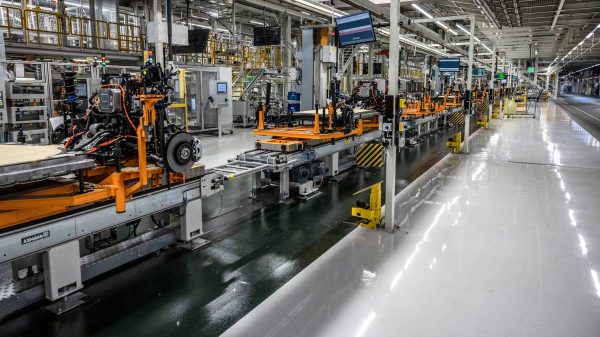
Ortberg told the audience at the Morgan Stanley conference that the 737 production line has not yet stabilized at the 47-jets-per-month rate Boeing had targeted. The delay is due to in-house production of wings, though Boeing said the broader supply chain is holding up.
On a more positive note, Ortberg said the 737 MAX 10 variant should get its certification “very soon,” and told analysts, “When I left Seattle yesterday, I think we had three deliverables to complete.”
Ortberg also confirmed that certification testing on the 777X, Boeing’s delayed widebody, would extend into 2027. The plane is already about seven years past its original schedule, and its ETOPS certification has been held up by an engine seal issue on the GE Aerospace-built GE9X turbine.
GE Aerospace (GE) responded that certification can move forward with the existing seals, and said the upgraded parts began shipping in August. Boeing designs and builds commercial jets, defense aircraft and space systems, so any issue in the production ramp affects revenue and the delivery schedules airlines have already committed to.
Ronald Epstein calls the market reaction overdone
Bank of America aerospace analyst Ronald Epstein used the selloff to reiterate his Buy rating and $270 price target. Epstein has covered aerospace and defense at Bank of America for over a decade and holds a five-star analyst rating from TipRanks, which makes his call credible with institutional investors.
In a Bank of America Global Research report shared with me, Epstein wrote that Ortberg’s comments triggered about a 7% intraday drop in BA shares and said the market reaction was “a bit dramatic.” He argued that setbacks were expected from the start.
More Aviation and Defense Stocks:
- Boeing races to defuse a threat that could ground its comeback
- Cramer says investors should consider buying tumbling aviation giant
- The winners in China’s missile leap
“We wouldn’t expect Boeing’s turnaround effort to follow a linear path; there will be setbacks on the way up,” Epstein wrote. “Boeing operates in a complex, highly regulated industry and its execution was seriously compromised, so it will naturally take time, but the turnaround is broadly progressing in the right direction,” he said. Epstein’s target implies about a 36% increase from Sept. 18’s close.
Why the SPEEA labor deal matters more than the production noise
Epstein highlighted something else that many traders may have missed. In his view, the more meaningful near-term risk lies with the Society of Professional Engineering Employees in Aerospace (SPEEA), whose current contract expires on October 6.
SPEEA represents around 17,000 engineers who handle certification safety analysis and paperwork, and their approval is needed for Boeing to keep moving planes through the pipeline. Boeing and SPEEA reached a tentative four-year agreement earlier in September. But members still have to vote to approve it, and a rejection could lead to a strike.
Related: SpaceX just targeted a key AI supplier: The stock tanked
“We believe the real near-term risk for Boeing lies in a potential SPEEA strike, with the current contract expiring on October 6,” Epstein wrote in the Bank of America report. Even so, Epstein said he is comfortable with BofA’s 2026 free cash flow forecast of $2.4 billion for Boeing. The 737 MAX 10 makes up about 30% of Boeing’s 737 backlog, which is why its certification is very important for future cash flow.
What Boeing investors should weigh next
Ortberg’s comments added to the recent speculation surrounding Boeing, though the underlying direction of the recovery remains the same. Boeing has been delivering more jets in 2026 than at any point since 2018. That pace has not changed.
Boeing’s order book exceeded $695 billion earlier this year, boosted by new 737 MAX commitments from carriers including Turkish Airlines and Flydubai. That backlog only translates to cash flow if Boeing can build and certify the planes on schedule.
That is where the risk lies. If SPEEA members reject the tentative deal, or if 777X testing is delayed again, cash flow forecasts will need to move lower. A 737 MAX 10 certification and an approved SPEEA agreement could change sentiment positively.
Boeing’s record over the past five years shows how easily timelines can change, so investors who buy into the turnaround should keep that in mind. New investors considering Epstein’s call can try investing gradually so you can have a safety cushion in case of any timeline delays or certification problems.
Related: Two defense stocks just got a multiyear vote of confidence