























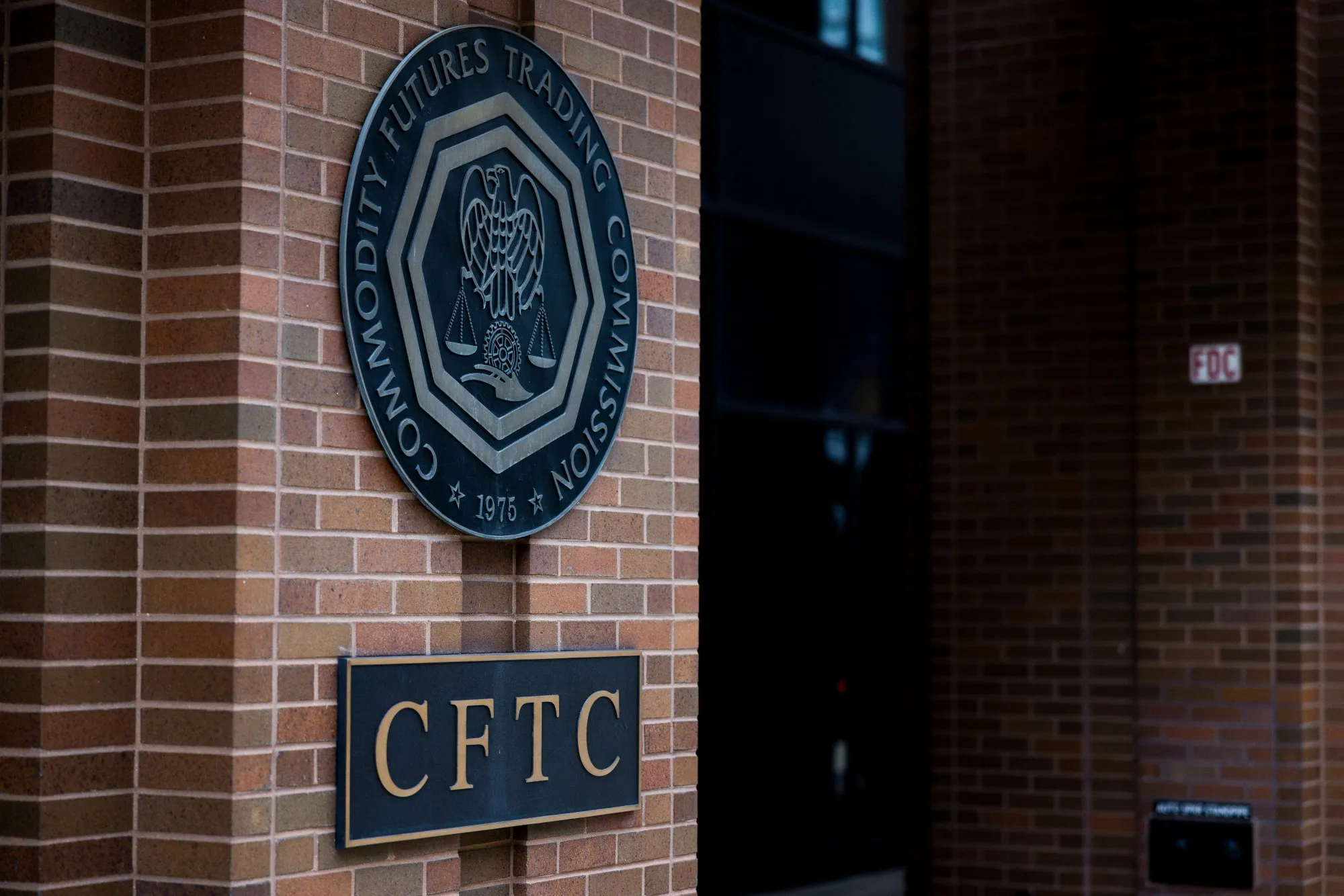
The U.S. Commodity Futures Trading Commission has opened a clearer regulatory path for developers building passive derivatives trading software, including products used in crypto markets, by saying staff will not pursue enforcement solely because those developers are not registered as introducing brokers.
The CFTC’s Market Participants Division announced the new position on September 17 through Staff Letter 26-25. The relief applies, subject to conditions, to software providers and relevant personnel that facilitate trading between users and registered futures commission merchants, introducing brokers and designated contract markets.
The action does not mean software developers can freely operate unregistered derivatives businesses. Instead, it draws a distinction between providing passive technology and actively acting as an intermediary that solicits or handles customer trading activity.
Relief Expands Beyond Earlier Crypto Wallet Case
The new letter broadens an approach the CFTC first used in March with Staff Letter 26-09.
That earlier relief applied specifically to a provider of self-custodial crypto wallet software that proposed allowing users to access trading offered through registered futures commission merchants, introducing brokers and designated contract markets. CFTC staff said it would not recommend enforcement for failure to register as an introducing broker or associated person, provided the software provider met the specified conditions.
Staff Letter 26-25 makes similar relief generally available to qualifying providers of passive software rather than limiting it to the particular crypto-wallet structure addressed in March. The CFTC’s own registration index describes the new action as a no-action position covering introducing-broker and associated-person registration for passive software providers.
That could be particularly important for crypto companies building front ends, wallets, routing software or other applications that give users access to regulated derivatives markets without themselves taking custody of customer funds or acting as a conventional broker.
Under the Commodity Exchange Act, introducing brokers are generally required to register with the CFTC, while registered IBs and futures commission merchants are subject to capital, disclosure, reporting and National Futures Association requirements.
Passive Software Is Not the Same as an Unregulated Exchange
The scope of the relief is narrower than the headline might suggest.
The no-action position applies only to the provision and marketing of qualifying software used to facilitate trading with already regulated intermediaries and designated contract markets. It does not give developers permission to create an unregistered futures exchange, hold customer money, independently execute trades as agent or bypass CFTC oversight of the venue where the derivatives are listed.
It is also a staff no-action position rather than a formal Commission rule or statutory exemption. That means the Market Participants Division is saying it does not currently intend to recommend enforcement in the covered circumstances; it is not rewriting the Commodity Exchange Act.
For crypto markets, the decision fits a broader shift toward allowing blockchain-native and software-driven trading interfaces to connect with regulated U.S. derivatives infrastructure.
The CFTC has taken several related steps in 2026, including relief involving self-custodial crypto wallets, guidance for around-the-clock derivatives operations and treatment of certain crypto perpetuals and digital-asset collateral.
The practical effect of the September 17 letter is to reduce one regulatory barrier for developers whose role is fundamentally technological rather than intermediating.
A developer can potentially build software that helps a user discover, route or initiate a derivatives transaction with a registered venue without automatically becoming an introducing broker simply because the software facilitates that access.
The line remains important, however: once a provider moves beyond passive software into solicitation, discretionary execution, custody or other broker-like functions, separate registration obligations may still apply.
For crypto developers, the CFTC’s message is therefore permissive but conditional — software itself does not necessarily make its creator a broker, provided the regulated trading activity remains with appropriately registered market participants.