













Memory chip investors have heard this pitch before. This cycle is different, the demand is structural, and the old boom and bust pattern no longer applies. SanDisk Corp. (SNDK) made that case forcefully at its investor day on Thursday, Aug. 13, and the market bought it.
Shares closed up 13.67% that session. The stock kept climbing Aug. 14, adding another 6.8% in premarket trading, according to a Seeking Alpha report.
Wedbush Securities isn’t fully on board. Analyst Matt Bryson reiterated his Outperform rating but held his price target at $2,000, unchanged from before the investor day even took place. That restraint says more than it looks like at first glance.
Wedbush’s target is now the cautious one on Wall Street
J.P. Morgan raised its target to $2,250 after upgrading SanDisk to Overweight, according to InvestorsHub. Goldman Sachs has held a $2,200 target since July, built on a price-to- earnings multiple applied to a sharply higher profit estimate. Bernstein has gone further still, setting a $3,000 target.
Wedbush is still bullish. It just isn’t chasing the number higher with everyone else, and that gap is worth sitting with.
Related: SanDisk CEO reveals what’s next after explosive 3,150% stock rally
In his note to clients, Bryson explained why. “We believe memory will again prove to be cyclical,” he wrote, pointing to planned capacity additions and rising competition from Chinese manufacturers.
He also said he is not yet ready to build SanDisk’s newer High-Bandwidth Flash (HBF) memory technology into his estimates until adoption becomes clearer.
I have watched enough memory chip cycles turn from boom to bust to understand why one analyst might hold back even after a strong show.
The skepticism is not about whether SanDisk had a good week. It is about whether this time really is different.
New SanDisk contracts are supposed to break the old cycle
SanDisk’s pitch rests heavily on what it calls New Business Model agreements, multi-year deals designed to lock in volume and pricing with major customers.
The company has signed these agreements with eight customers, covering roughly half of its bit shipments for fiscal 2027 and about two-thirds by fiscal 2028, according to SanDisk’s investor day materials.
Total contract value across those deals reached $93.9 billion, with $91.1 billion in remaining performance obligations, the Seeking Alpha report confirmed.
More SanDisk:
- SanDisk CEO reveals what’s next after explosive 3,150% stock rally
- Bank of America doubles down on Sandisk stock after earnings
- SK hynix, Sandisk race to fix AI’s next chip bottleneck
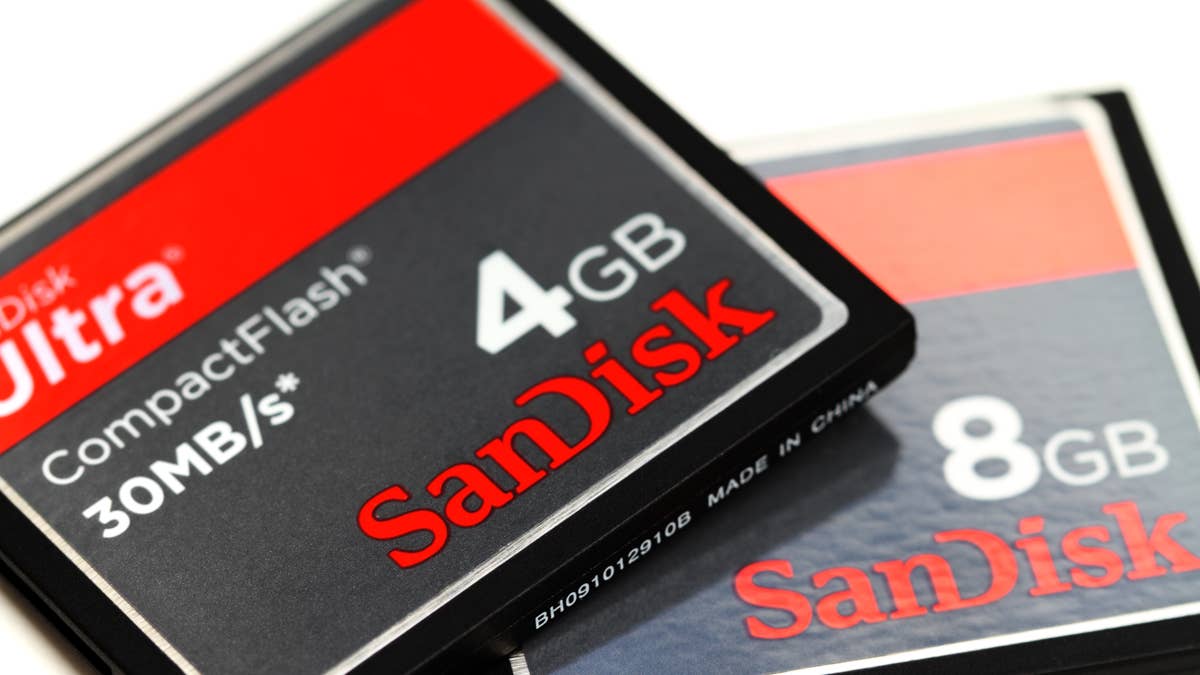
That structure matters because SanDisk sells NAND flash storage chips, the same core hardware used in everything from consumer laptops to enterprise servers, according to a Securities and Exchange Commission filing.
Storage chips have historically been one of the most brutally cyclical corners of the semiconductor industry, prone to price crashes whenever supply outpaces demand.
That history is why investors care about this specific stock beyond one earnings cycle. A company that can smooth out that boom and bust pattern deserves a richer valuation than one still exposed to it, which is the entire argument SanDisk made on Aug. 13.
SanDisk is barely two years old as a standalone company, having split from Western Digital in February 2025.
Its long-term contracts have never been tested through a full industry downturn, which is exactly the risk Bryson flagged when he said he wants to see how the agreements age before trusting them fully.
Chief executive David Goeckeler credited the results to what he called disciplined execution of an 18-month-old strategy. SanDisk also authorized an additional $14 billion in stock buybacks, bringing its total remaining repurchase capacity to roughly $15.5 billion.
For investors, that signals management expects enough free cash flow to keep shrinking the share count, even while funding its AI storage buildout, a commitment that only holds up if the cycle stays strong.
What this really tests is the AI infrastructure story itself
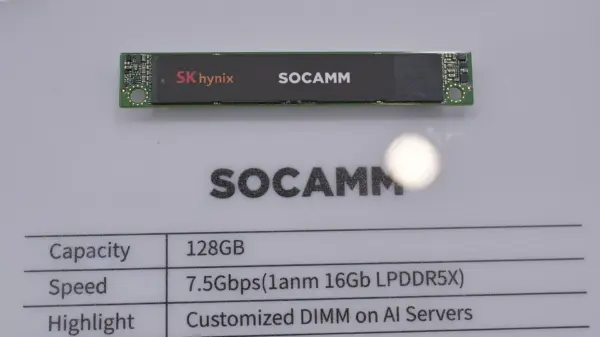
SanDisk is betting that AI inference workloads, not just AI training, will keep pulling storage demand higher for years. Its new HBF technology aims to sit between high-bandwidth memory and traditional flash storage, targeting the same AI servers driving demand for chips from Nvidia and its rivals.
If that thesis holds, the fixed price contracts protect SanDisk from the price wars that have gutted memory makers in past cycles.
If it does not hold, those same contracts could lock SanDisk into selling at prices well below where a tight market might otherwise take them.
Bryson made that same point, writing that SanDisk’s own long-term estimates may prove conservative if demand keeps running hot, but that the multiyear duration of this cycle still deserves to be tested before it earns a permanent premium.
That is the real split on Wall Street right now. It is not bulls against bears. It is analysts who are ready to price memory chips like durable infrastructure against those still pricing them like the volatile commodity business this industry has always been.
SanDisk’s next full down cycle, whenever it arrives, will settle the argument for good.
Related: Bank of America doubles down on Sandisk stock after earnings