























The USD/JPY exchange rate has dropped to the crucial support level of 155.20, its lowest level since May 6, as the Japanese yen continues to outperform most major currencies this year. The pair has retreated by more than 4% from its year-to-date high, highlighting the dollar’s recent weakness.
This article explores why the Trump administration moved to support the greenback and what it means for the pair.
Trump is worried about the US bond market
The US intervened in the currency market by converting its huge euro holdings into the currency. According to the FT, the transaction was implemented by the Federal Reserve Bank of New York through Morgan Stanley and Goldman Sachs.
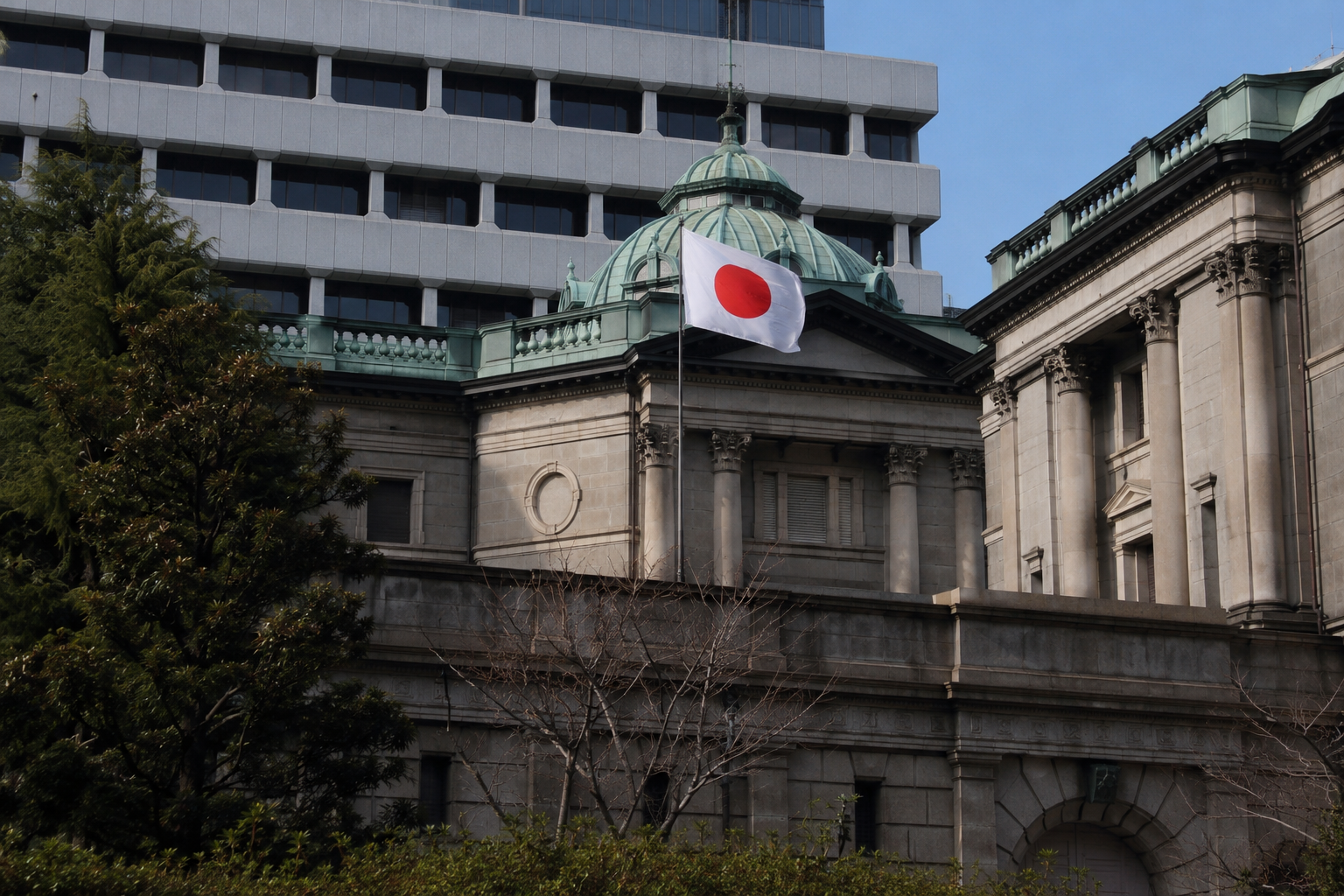
This intervention came a day after the Bank of Japan also carried out a major intervention worth about 8.45 trillion yen or $52.8 billion.
One reason why the Trump administration decided to intervene is because of the US bond market and the fact that Japan is the biggest holder. Japan holds over $1.14 trillion of US public debt, a figure that has been in a downward trend after peaking at $1.24 trillion in February.
Data shows that US bond yields have been rising in the past few months. The 30-year yield jumped to a 19-year high of 5.28% last year. Also, the ten-year yield jumped to 4.74%.
Trump’s fear is that Japan will continue dumping US treasuries to boost the yen, which, will in theory, will push bond yields higher. This is important because the US public debt continues rising and is approaching the $40 trillion mark. US deficits are also rising and is expected to hit $2 trillion mark.
Therefore, by intervening, the Trump administration hopes that Japan will not dump its US treasuries as China has done. China holds $659 billion worth of US bonds, down from over $1.3 trillion in 2013.
Japan’s US trade surplus
President Trump has always been focused on trade deficits, which explains his tariff strategy. The most recent data showed that Japan’s trade surplus with the US jumped to over $47 billion. This number is driven by vehicles and key machinery.
One reason for the rising surplus is the weaker yen, which helps to offset the impact of Trump’s tariffs. As such, by focusing on the stronger yen, Trump hopes that it will help to boost US exports.
Trump has also intervened because, as we saw with Argentina, he has a personal relationship with Sanae Takaichi. He met her at the White House in May, and has spoken highly of her. As such, intervention is a way of helping her bring inflation downwards.
Still, the impact of these interventions will likely be short-lived because of the interest rate differentials between the US and Japan. The BoJ and the Fed left interest rates unchanged last week, and analysts now predict the Fed will hike this year. Unless the the BoJ hikes, chances are that the yen will remain under pressure.
USD/JPY technical analysis
USDJPY chart | Source: TradingView
The daily chart shows that the USD/JPY pair has plunged from last week’s high of 163.97 to a low of 155.20, its lowest level since May 6. It has dropped below the ascending trendline that connects the lowest swings since February this year.
The pair is forming a large doji pattern, a common bullish reversal sign in technical analysis. Therefore, as we saw in April following the BoJ intervention, there is a possibility that the pair will rebound, potentially to 160.
The post USD/JPY forecast: The real reason behind the US yen intervention appeared first on Invezz