












Once a destination for some of the world’s most selective luxury shoppers, an iconic retailer is facing one of the biggest turning points in its nearly two-century history.
Years of financial losses and mounting challenges have put the business under serious pressure, with its owner warning that it could not survive much longer without new investment.
Now, after months of uncertainty, the retailer’s future is once again hanging in the balance.
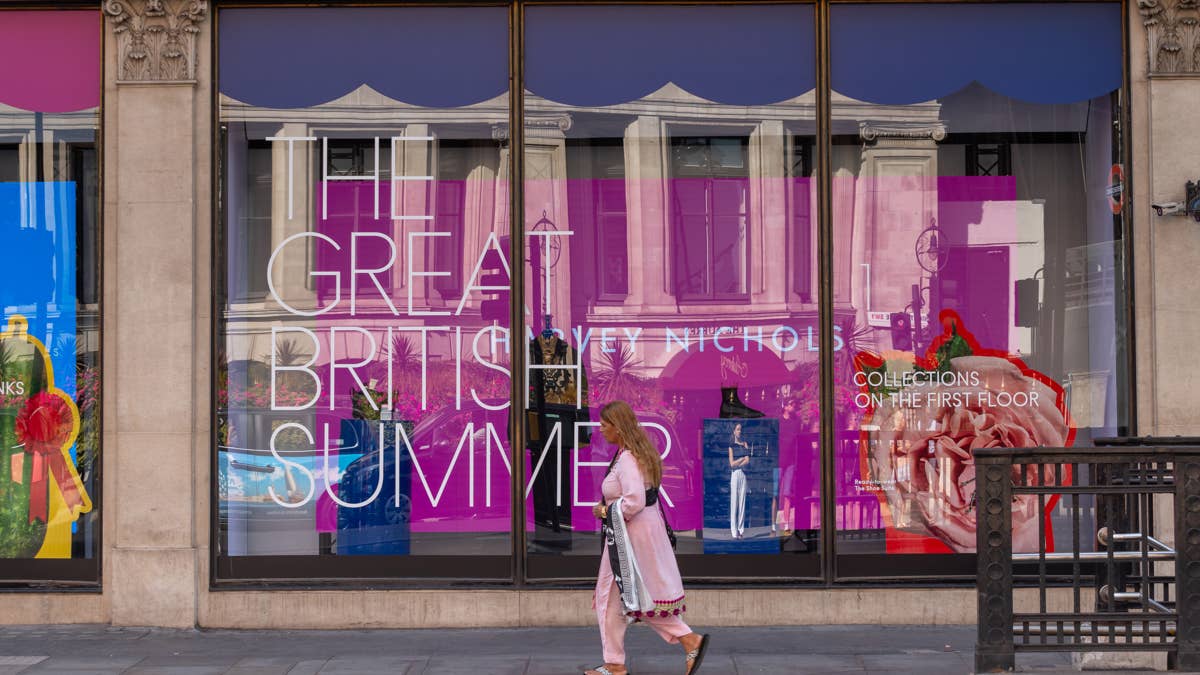
Founded in 1831, Harvey Nichols is a British luxury department store chain known for its upscale designer fashion, beauty products, fine wines, and gourmet food. The company operated 12 stores worldwide.
Harvey Nichols warned it could shut down next year
Harvey Nichols’ financial challenges intensified this year, prompting its owner, Hong Kong luxury goods businessman Dickson Poon, to put the retailer up for sale in June 2026.
Poon acquired Harvey Nichols in 1991 for £53 million from Debenhams and the Burton Group. After 35 years of ownership, he began seeking a buyer or a new investor as the retailer struggled with mounting losses and a lack of profitability.
The retailer had not returned to profit since the Covid pandemic and warned that it could collapse within a year without new investment.
Harvey Nichols reported a £105 million ($142 million) loss after tax for the year ended March 29, 2025, after writing off inter-company loans, according to the company’s annual report and financial statements.
Revenue fell from £204.8 million ($277 million) to £184.8 million ($250 million) in the year, while pre-tax losses widened from £34 million ($46 million) to £49 million ($66 million). The retailer’s accumulated pre-tax losses had reached more than £140 million ($189 million) over five years.
The figures highlight the depth of the retailer’s financial problems as it faced weaker consumer demand, higher operating costs, online competition, and changes in international shopping patterns. The end of tax-free shopping for tourists in the U.K. has also weighed on luxury retailers that rely on international visitors.
Harvey Nichols attracted interest from multiple potential buyers during the sale process, although some prospective bidders withdrew. Frasers Group ultimately emerged as the successful buyer.
Harvey Nichols is acquired by Frasers Group
After months of uncertainty, Harvey Nichols was acquired by Mike Ashley’s Frasers Group on Aug. 13 through a pre-pack administration.
The deal allows Frasers Group to take control of Harvey Nichols’ operating assets, while the retailer’s existing liabilities are addressed through the administration process.
The transaction includes Harvey Nichols’ six U.K. stores in Manchester, Birmingham, Bristol, Leeds, Edinburgh, and the Knightsbridge flagship in London, as well as its online business, existing inventory, and more than 1,000 employees.
International franchise agreements are also included, with those locations continuing to operate under existing licensing arrangements.
The future of the Dublin location remains under discussion, while the OXO Tower restaurant in London was excluded from the transaction.
Frasers Group has not officially disclosed the purchase price. However, multiple reports have put the transaction value at approximately £40 million ($54 million), according to Forbes.
The acquisition marks the end of Poon’s 35-year ownership of Harvey Nichols and gives Frasers Group control of one of Britain’s best-known luxury retail names.
“The turnaround will require tough choices, and we are prepared to make those decisions, even if that means a smaller business in the near term, to create a stronger and more sustainable Harvey Nichols for the long term,” said Frasers Group CEO Michael Murray in a statement.
What the acquisition means for Harvey Nichols’ future
The acquisition does not mean Harvey Nichols’ problems are over.
Frasers Group said it will review and potentially rationalize Harvey Nichols’ store portfolio, organizational structure, operating model, and cost base as it works to create a sustainable business.
That could eventually mean a smaller Harvey Nichols, with Frasers Group warning that significant changes will be necessary to return the retailer to profitability.
Here’s some of my previous coverage of retail business news:
- Retail shoe giant closes 41 stores under multiple big-name brands
- Formerly bankrupt retailer overhauls 48-year-old offering
- Global sportswear brand closing 15 stores, laying off workers
The approach is consistent with Frasers Group’s history of acquiring distressed retailers and attempting to restructure them.
Frasers Group previously acquired House of Fraser out of administration, closing at least 28 of its 59 stores as it reorganized its business. According to the BBC, the company also reported a £150 million ($203 million) loss on its investment in Debenhams, which entered administration in 2019.
The group acquired Matches Fashion in December 2023, The Guardian reported, but the online luxury retailer entered administration just three months later.
That history adds an additional layer of uncertainty to the Harvey Nichols acquisition. Frasers Group has experience in restructuring distressed retailers, but Harvey Nichols presents a different challenge because its value is closely tied to its luxury positioning, customer base, and physical stores.
The broader luxury market has also become more challenging. Luxury retailers have faced weaker consumer spending, changing shopping habits, higher costs, and a slowdown in international demand, putting pressure on businesses that once benefited from strong post-pandemic spending.
According to the McKinsey & Company State of Fashion 2026 Report, the global fashion industry is projected to grow at a low single-digit rate in 2026 amid macroeconomic volatility, tariff pressures, and weaker consumer sentiment.
Frasers Group believes its existing luxury portfolio and retail expertise can provide Harvey Nichols with a platform for a turnaround. But the company’s own warning that the business may need to become smaller underscores the scale of the challenges.
For Harvey Nichols, the acquisition marks the end of one era and the beginning of another. The retailer has avoided an immediate shutdown, but its next chapter will likely involve significant changes as Frasers Group decides which stores, operations, and investments can support the business for the long term.
Related: Sportswear giant continues store closures nationwide