












Prices are something all American households still complain about.
However, that does not mean they aren’t going out to purchase clothes.
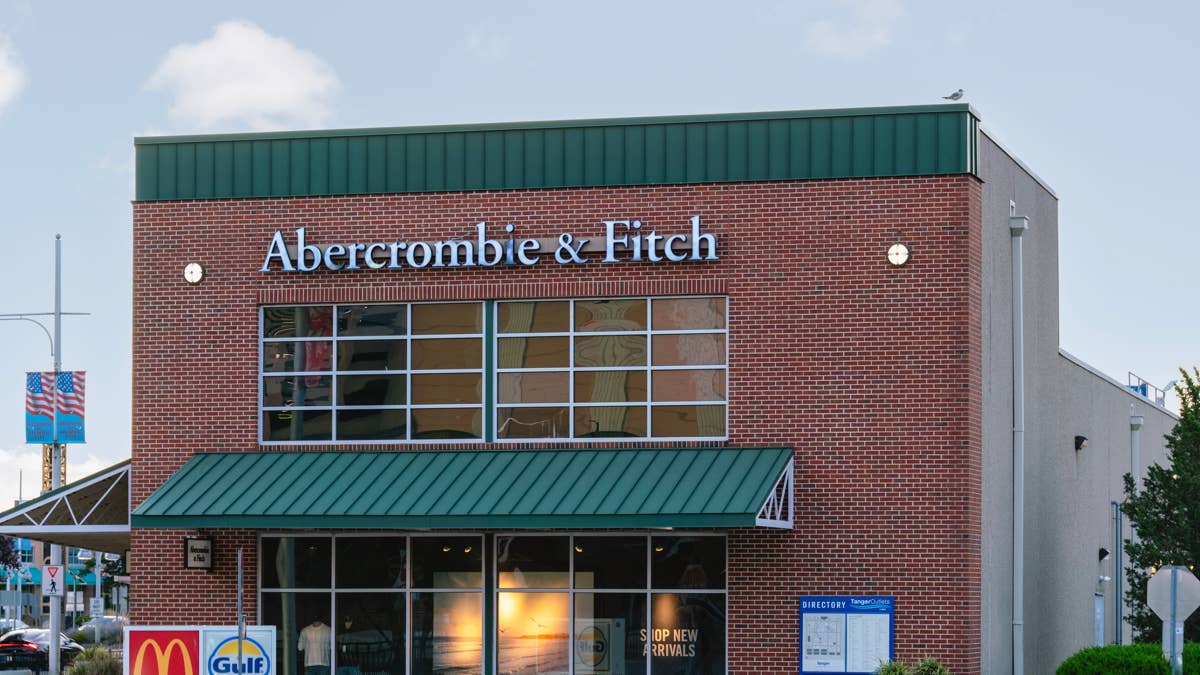
Abercrombie & Fitch (ANF) reported record second-quarter net sales of $1.27 billion, about 5% higher than a year ago and its 15th consecutive quarter of sales growth. It’s no small feat, considering the state of the average consumer these days.
Abercrombie-branded sales increased 8%, while Hollister sales rose 2%. All of this action helped the company lift its full-year sales outlook and projected earnings of $13.10 to $13.60 per share.
Understandably, such figures from the retail sector are a rarity these days. It’s why there was an outsized reaction to the results; the stock climbed nearly 30%. But there is an interesting caveat to the results.
Abercrombie received about $100 million in tariff refunds, according to Investopedia, adding roughly $1.75 per diluted share to quarterly earnings.
But the bigger story for shoppers is what happened without that refund: People kept buying.
Abercrombie is succeeding against a difficult consumer backdrop
The national retail outlook is not quite rosy. July U.S. retail and food-service sales were $763.6 billion, down 0.6% from June but 5% higher than a year ago, the Census Bureau said.
Consumers are also still feeling the effects of inflation. Overall prices were 3.4% higher in July than a year earlier, while apparel prices jumped 3.9%.
Clothing is a discretionary purchase, making Abercrombie’s performance all the more astounding. A household struggling with energy, groceries, and rent might easily delay buying another pair of pants.
Yet consumers continued to shop enough to help Abercrombie reach record sales in the Americas, where revenue climbed 5%. Asia-Pacific revenue increased by 19 percent, while EMEA revenue rose by 2 percent.
Behind the surge in sales, there is subtlety. Independent earnings coverage reported that overall comparable sales were flat and Hollister comparable sales were down.
That indicates some of the increase is coming from expansion, assortment, and other initiatives, rather than an explosion in traffic in existing stores across the board.
Tariff refund makes Abercrombie’s earnings headline tricky
Abercrombie posted diluted EPS of $4.17, compared with Wall Street expectations of around $1.98 to $1.99, The Motley Fool confirmed.
The $1.75 tariff-refund contribution accounts for much of that discrepancy, Investors.com also noted. But even after stripping it out, earnings still came in over forecasts.
More Retail:
- Home Depot is making a big bet on cautious consumers
- Another state just banned a controversial retail pricing practice
- JPMorgan just flagged a slow-building food crisis
That’s the difference investors need to see.
The return turned a good quarter into a great quarter, although it did not produce the whole underlying improvement.
Abercrombie expects about $120 million in total tariff-refund benefits for the full year, with roughly another $20 million expected in the current quarter.
Numbers investors should separate
- Net sales: $1.27 billion
- Sales growth: 5%
- Abercrombie brand growth: 8%
- Hollister growth: 2%
- EPS: $4.17
- Tariff-refund contribution: $1.75 per share
- Q2 tariff refund: About $100 million pre-tax
- Share repurchases: $177 million
- Full-year sales outlook: Roughly 5% growth
The company is also aggressively returning cash to shareholders. It bought back $177 million of stock during Q2 and $282 million year to date, which is equivalent to about 7% of the shares outstanding at the beginning of the year.
Management increased the full-year repurchase target to at least $500 million.
Abercrombie’s comeback is stronger than the headline suggests
Abercrombie’s quarter is fascinating because the $100 million tariff refund can mask a business that is still growing underneath.
Sales for the second quarter were $1.27 billion, the 15th straight quarter of growth, the company said. The Abercrombie brand saw sales up 8%, while comparable sales for the brand increased 4%.
Hollister was softer, with sales up 2% but comparable sales down 3%.
This split tells us something useful about shoppers.
It’s not that Americans suddenly feel flush and Abercrombie is winning because of that. Apparel inflation was running still at 3.9% year on year in July, and broader retail spending has been patchy.
But shoppers are still opting to spend at Abercrombie when clothing is one of the simpler household items to delay.
The company is also growing at a quicker clip outside its primary U.S. market than many investors might think. Asia Pacific sales climbed 19 percent, the Americas surged 5%, and EMEA increased 2%.
And here’s the bit investors should not miss: Even with the $100 million tariff return adding around $1.75 per share to earnings, as Investopedia reported, Abercrombie still outperformed estimates after stripping much of that advantage away.
Wall Street had expected about $1.98 to $1.99 per share; the reported EPS was $4.17.
What Abercrombie is telling us about shoppers
Main Street’s takeaway is that American homes don’t suddenly have money to waste. Personal consumer spending rose just 0.2% in July, according to the Bureau of Economic Analysis, and spending on products actually dropped.
Consumers are nervous, but they are not only closing their wallets. They’re being choosy about which brands get their money.
Abercrombie has been able to remain on that list. Still, ANF investors’ job is to find a permanent consumer victory, not a temporary profitability bump.
Abercrombie needs teenagers, 20-somethings, and older shoppers to keep showing up. That’s the number that matters after the tariff refund check clears.
Related: Popular mall retailer continues comeback after closing stores