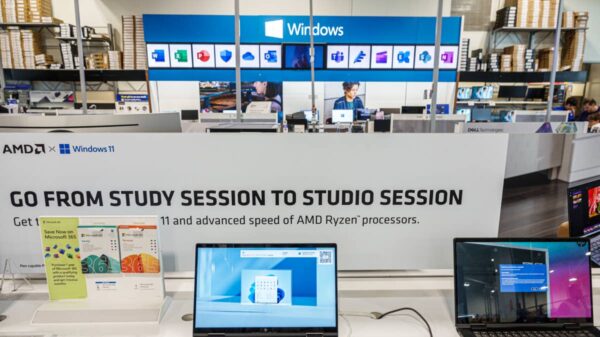























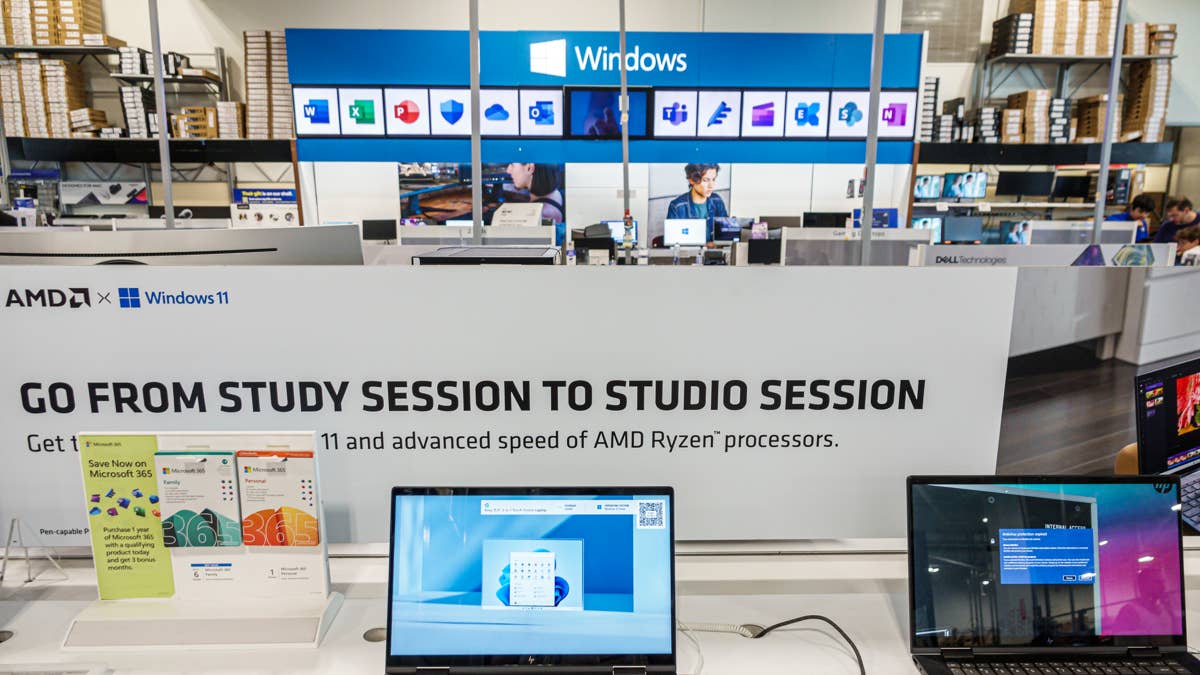
Most people don’t buy Windows. They buy a laptop, and Windows comes with it.
That’s why Microsoft’s Windows numbers are really a read on the PC market. When people buy computers, Microsoft gets paid by the companies that make them.
For decades, that was the heart of the business. Today it’s a much smaller piece, and it’s shrinking.
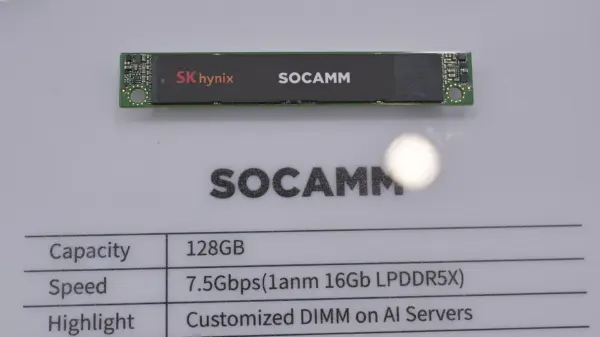
You may have noticed why if you’ve shopped for a laptop lately. Prices have been creeping up as the memory chips inside them get more expensive.
A few hundred dollars on a new computer is easy to put off. When millions of buyers make the same choice, it shows up in a company’s results.
Now Microsoft’s own results show how much that is costing the company.
Windows sales to PC makers dropped sharply
Microsoft (MSFT) said revenue from Windows OEM and devices fell 22% in its fiscal first quarter, which ended Sept. 30, according to its earnings release.
OEMs, or original equipment manufacturers, are the companies, such as HP (HPQ) and Dell (DELL), that install Windows on new computers.
Gaming slipped, too. Xbox content and services revenue fell by 2%.
Related: Microsoft drops $101.9 billion surprise as AI reshapes company
Overall, Microsoft’s Devices and Consumer segment brought in $15.5 billion, down 3% from a year earlier.
Not every consumer business is shrinking. Microsoft 365 consumer cloud revenue, which includes paid subscriptions for apps such as Word and Excel, rose 17%.
That suggests people are still willing to pay monthly for software. They are just keeping the computers they already own.
Why fewer people are buying new PCs
Microsoft saw this coming.
In April, Chief Financial Officer Amy Hood said part of an expected Windows decline would come “from a lower PC market as prices increase due to memory cost,” Yahoo Finance reported.
More Microsoft:
- Oppenheimer resets Microsoft stock price target after HQ visit
- UBS resets Microsoft stock price target for investors
- Bank of America resets Microsoft stock price target for 2026
She also pointed to a tough comparison. The year-earlier period “benefited from Windows 10 end of support,” when many people upgraded old computers at once, Hood said.
In plain terms, last year’s upgrade rush is over, and this year’s PCs cost more. Both push sales down.
Microsoft’s AI business is now the whole story
The rest of Microsoft looks very different.
Revenue rose 19% to $92.3 billion, and earnings per share rose 18% to $4.89 on an adjusted basis. Analysts had expected $4.72 per share on $90.75 billion in revenue, according to 24/7 Wall St.
Microsoft Cloud revenue rose 30% to $63.9 billion. Azure, its cloud computing platform, grew 48%, ahead of the roughly 45% investors were watching for.
Here is how the two halves of Microsoft compare, according to the release:
- Agents and Infra segment: $76.8 billion in revenue, up 25%
- Devices and Consumer segment: $15.5 billion, down 3%
- Windows OEM and devices: Down 22%
- Xbox content and services: Down 2%
- Commercial backlog: $677 billion, up 73%
By my math, the Agents and Infra segment now accounts for about 83% of Microsoft’s revenue.
“Results exceeded expectations across revenue, operating income, and earnings per share,” Hood said in the release.
“We are delivering greater capability, choice, control, and cost efficiency for customers across our entire stack,” CEO Satya Nadella said.
The headline numbers also got a small lift from OpenAI. Microsoft’s reported earnings of $4.92 a share included a $207 million net gain tied to its OpenAI investment, compared with a $3.1 billion net loss a year earlier.
The AI bill keeps getting bigger
That growth isn’t cheap.
Microsoft spent $39.4 billion on property and equipment in the quarter, roughly double the $19.4 billion it spent a year earlier, the release showed. Most of that goes to data centers and AI chips.
Before the report, investors expected quarterly capital spending above $50 billion once leases are included, 24/7 Wall St reported. Shares rose about 4% in after-hours trading as investors focused on Azure.
Shopping for a laptop costs more now
If you’re shopping for a laptop, expect to pay more than you did a year or two ago. Memory chip costs are being passed on to buyers.
Here’s how to keep the cost down:
- Buy last year’s model. Discounted older stock may still have pre-increase pricing.
- Check the memory you actually need. Paying for extra RAM costs more than it used to.
- Watch holiday sales. PC makers often discount around Black Friday to clear inventory.
- Don’t upgrade just for AI features. Many AI tools run in the cloud on the computer you already own.
Microsoft investors are focused on Azure
If you own Microsoft, the Windows slump barely moves the needle. The stock now trades on Azure and AI demand.
The shares were trading around $527.75 before the report. A 4% after-hours gain would still leave investors watching whether Azure can stay this strong while spending doubles.
I’d still watch the consumer side. It’s the part of Microsoft most exposed to everyday spending, and it’s shrinking while the AI bill grows.
Microsoft is betting that cloud customers will keep paying more than enough to cover that bill. For now, they are.
Related: Salesforce unveils AIforce as Benioff takes shot at Microsoft