













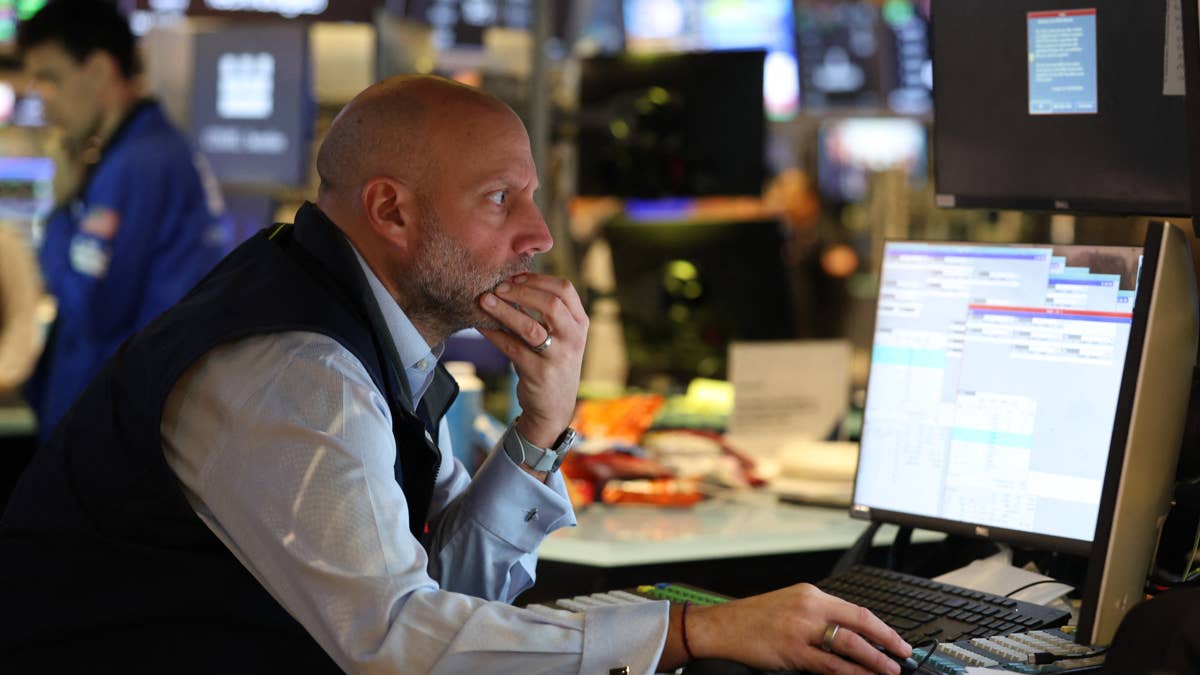
Checking your retirement account on Thursday afternoon, November 5, felt like a gut punch, with months of hard-earned gains vanishing in hours.
Even with diversification in mind, simply holding a standard index fund left you absorbing the damage. The Nasdaq 100 erased $2.3 trillion in market value as a post-midterm panic triggered a brutal tech sell-off, Bloomberg reported.
AI poster-children like Nvidia tumbled more than 9%, while AMD plunged over 17%. The bounce-back the next day brought brief relief but zero answers.
For years, riding Big Tech felt like a foolproof ticket to America’s AI boom. Now, mounting political resistance to data centers and runaway corporate spending have investors asking if the math has permanently changed.
Bank of America has a surprising answer. Its post-election outlook uncovers a contrarian opportunity, posing an urgent question for anyone counting on the stock market for retirement.
Why Bank of America favors tech debt over tech stocks
Bank of America just dropped one of the most surprising messages for investors rattled by tech’s sell-off: that owning a great tech business isn’t necessarily the best way to invest in it. For now, the bank prefers tech company bonds to tech stocks.
More Wall Street:
- Nvidia and Micron are about to lord their successes all over Wall Street
- Nvidia, Palantir and Alphabet send waves through Wall Street
- Wall Street elites will pocket windfall from record $46 billion profits
In post-midterm research, chief investment strategist Michael Hartnett favored “tech bonds over tech stocks,” as reported by Seeking Alpha. Bonds pay contractual interest and generally rank ahead of common shares if a company fails. That said, they aren’t risk-free, and missed payments and rising market yields can still hurt investors.
The shift goes further. BofA prefers consumer staples, represented by the Consumer Staples Select Sector SPDR Fund (XLP), to energy shares represented by XLE. It also favors smaller businesses over market giants as reported by TipRanks.
That’s meaningful for retirement savers. An S&P 500 fund owns hundreds of stocks, but its largest holdings carry outsized weight, a concentration risk that veteran market commentator Jim Cramer has also warned about.
After years when giant technology firms led returns, a pullback in just a few companies can affect an otherwise diversified account.
BofA strategists raised the possibility of “peak AI equity concentration,” questioning where the next dollar of investment belongs.
What changed? The election may have made building new data centers politically harder.
Texas voters just exposed a problem Nvidia can’t easily solve
The election matters a ton to the likes of Nvidia for a reason that’s easy to overlook. Selling AI chips is arguably just part of the deal, as customers also need somewhere to install them, with electricity, permits and local communities willing to host the buildings.
Texas is a particularly large vulnerability. Bank of America estimates the state accounts for roughly 30% of planned U.S. data-center capacity that hasn’t started construction through 2028, as reported by Reuters. Governor-elect Gina Hinojosa wants to pause new projects until stronger community protections are in place. Existing facilities wouldn’t automatically close, but delays could postpone equipment orders.
That said, the backlash starts at home.
An SSRS election survey found that 89% of respondents considered living costs important, while 76% opposed new data centers in the area. Residents worry that power-hungry facilities might strain water supplies and drive up utility bills.
For tech shareholders, those concerns come with a price tag. BofA is questioning whether its $2.1 trillion forecast for global data-center spending by 2028 is too optimistic. Slower approvals could delay purchases from Nvidia and other suppliers, even as Amazon and Microsoft continue to invest heavily.
As I reported earlier this week, sluggish construction might also prevent an oversupply of AI computing capacity.
The interest-rate shift that could bring AI stocks roaring back
Bank of America’s strategists also see a route back for beaten-down stocks if borrowing costs ease without the economy falling into recession.
According to the bank, lower rates could make data centers less expensive to finance and help smaller companies borrow, potentially broadening a rally beyond Big Tech.
BofA strategist Michael Hartnett has also identified three signals worth watching.
These include central banks stopping raising interest rates, the 10-year Treasury yield slipping below 4.5%, and oil falling beneath $80 a barrel, underscoring strong conditions for improving risk appetite, not promises of higher stock prices.
For retirement savers, if yields fall because inflation cools while consumers keep spending, investors may be willing to pay more for tech earnings. But if borrowing costs decline as the economy weakens, disappointing profits could offset any valuation relief. Smaller companies and consumer stocks wouldn’t escape that pressure.
For now, it’s imperative to watch inflation, oil and bond yields together. A healthier economy could revive AI shares. Persistent borrowing pressure would make chasing dips a riskier bet.
Related: Micron stock flashes bargain pricing signal with costly catch