




















Corning is best known for Gorilla Glass, the durable material used in smartphone screens.
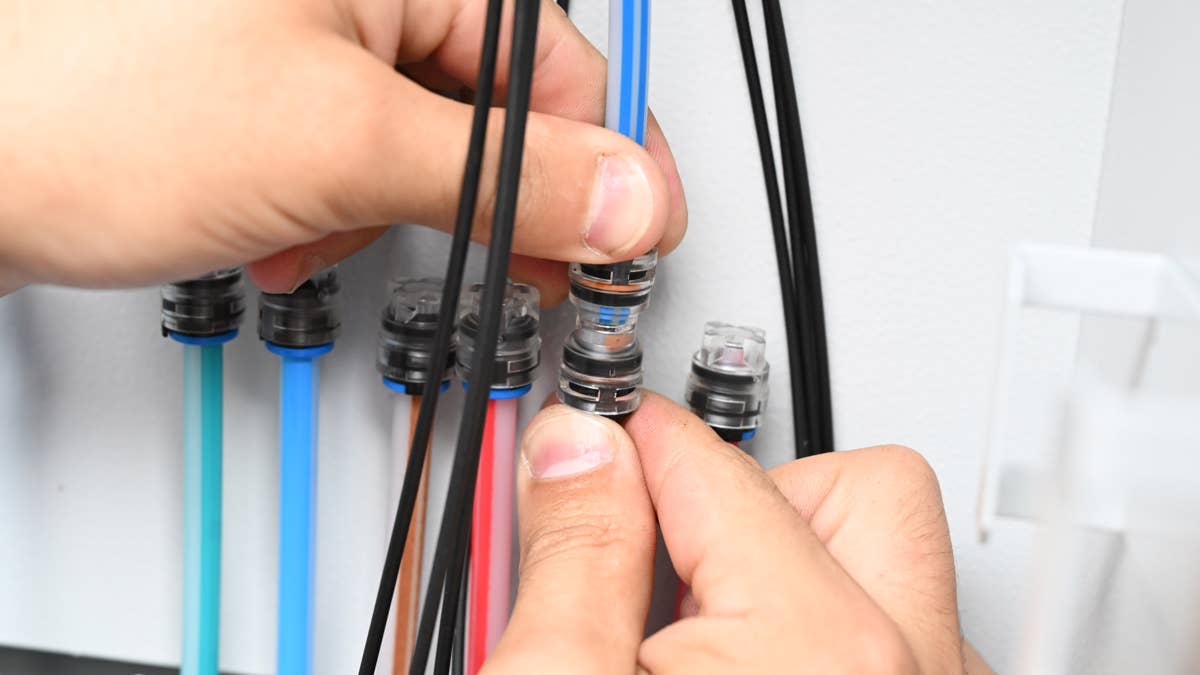
The company also makes the optical fiber, cables, and connectors that move data among thousands of processors inside artificial intelligence data centers.
That business helped more than double Corning’s share price over the previous year.
Corning (GLW) shares were down about 14.9% at $122 around midday July 28 after the company issued a third-quarter sales forecast slightly below Wall Street’s expectations.
The decline followed a strong second quarter.
Corning’s adjusted, or core, sales rose 17% to $4.74 billion, while core earnings increased 30% to 78 cents a share.
The stock reaction centered on how quickly Corning can turn demand for AI connectivity products into additional shipments.
Investors are also weighing whether the growing optical business can offset weaker demand for smartphone-related products. Corning’s shares fell more than 20% during the session, even though the stock remained more than twice its level a year earlier.
AI demand is filling Corning’s fiber factories
Corning’s Optical Communications sales increased 32% to $2.07 billion in the second quarter.
Enterprise Networks sales, which include products used inside data centers, jumped 65%. Corning said sales of its generative-AI products grew considerably faster than the broader unit.
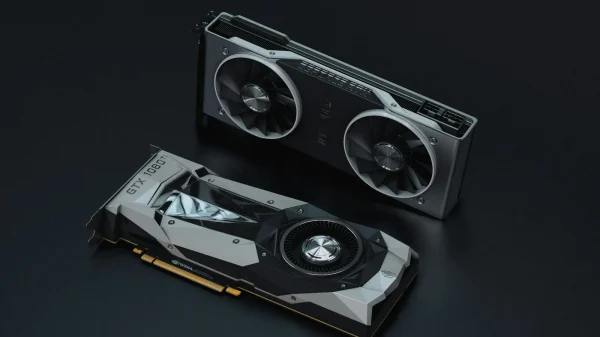
A large AI data center can use thousands of graphics processing units, or GPUs.
Those processors must exchange information quickly while training models and answering users’ requests. Corning’s fiber, cables, and connectors carry that data among the processors and across the facility.
CEO Wendell Weeks said customer demand has moved ahead of Corning’s existing manufacturing capacity.
We continue to have the enviable situation of if we could make more, we could sell more.
Large customer agreements provide additional evidence of that demand.
Amazon signed a multiyear, multibillion-dollar agreement with Corning in June for optical fiber, cables and connectivity products used across its expanding U.S. data-center network.
Corning also announced a long-term partnership with Nvidia in May.
Related: Morgan Stanley says SpaceX investors miss the bigger story
Under that program, Corning plans to increase its U.S. optical-connectivity manufacturing capacity tenfold and raise domestic fiber-production capacity by more than 50%.
The expansion includes three new manufacturing facilities in North Carolina and Texas.
The multiyear agreements give Corning greater visibility into customer demand.
Its production lines will determine how quickly those commitments become products that Corning can ship and record as sales.
Why 16% sales growth disappointed investors
Corning expects third-quarter core sales of $4.9 billion to $5 billion, representing growth of about 16% from a year earlier.
The company projected core earnings of 85 cents to 89 cents a share, an increase of about 28%.
Analysts expected approximately $5 billion in sales.
Corning would therefore have to reach the top of its guidance range to meet the consensus estimate.
A 16% sales increase would be strong for many large industrial companies.
More AI:
- The new Chinese AI model rattling U.S. tech investors
- Anthropic restores access to Mythos 5 for select organizations
- SoftBank CEO offers stinging critique of Musk’s AI bet
Corning faced a more demanding comparison because its shares had already more than doubled over the previous year as investors priced in faster growth in AI infrastructure.
The Optical Communications unit also showed a modest deceleration.
Its sales grew 32% in the second quarter after increasing 36% in the first quarter.
Management’s comments still indicate that demand exceeds current production capacity.
The market focused instead on the slower growth rate and a sales forecast that only reached analysts’ expectations at the top of the range.
New factories and weak phone demand create the next test
Corning plans about $2 billion of capital spending in 2026 as it expands manufacturing capacity.
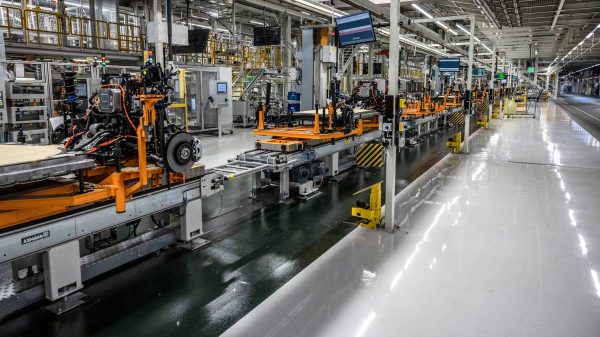
The company must build and equip new production lines before it can ship more optical products to its large data-center customers.
It creates a risk: Corning spends the money before the additional lines begin producing revenue. A slower factory ramp could postpone shipments tied to the new customer programs.
Corning’s other major businesses face a different problem.
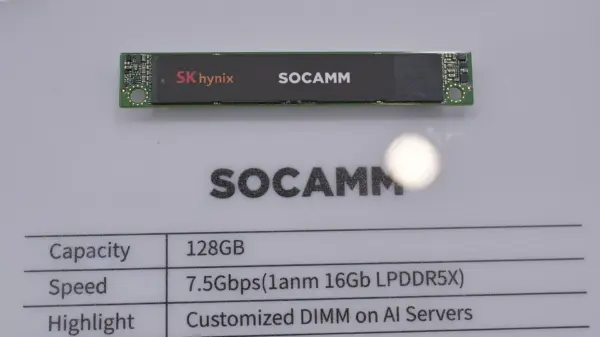
High memory prices are raising costs for smartphone manufacturers and weakening consumer demand. Corning expects global handheld-device shipments to decline by a mid-teens percentage in 2026.
That decline affects Corning because Gorilla Glass is used in smartphones, laptops, and wearable devices.
The company can therefore increase its AI-fiber shipments while selling fewer glass products to consumer-electronics manufacturers.
Global smartphone shipments fell 11% in the second quarter, reaching their lowest second-quarter level since 2013 as memory shortages raised handset prices.
Key numbers from Corning’s quarter
- 32%: Optical Communications sales growth
- 65%: Enterprise Networks sales growth
- $4.9 billion to $5 billion: Third-quarter core sales guidance
- $2 billion: Planned 2026 capital spending
Corning has large customer commitments and is investing heavily to expand production.
The next few quarters will show how quickly those new lines begin shipping products and whether optical growth becomes large enough to offset fewer device shipments.
Related: Goldman Sachs sees writing on the wall for Eli Lilly stock